In the high-stakes world of last-mile delivery, the difference between a successful route and a costly service disruption is often measured in seconds. As e-commerce surges, fleet managers face unprecedented pressure to maintain near-perfect uptime while ensuring the highest safety levels for their drivers.
Traditionally, the industry has relied on manual Driver Vehicle Inspection Reports (DVIRs) – a process often plagued by subjectivity, human error, and “pencil-whipping.” But a shift is occurring. Led by UVeye, the integration of AI and automated computer vision is transforming vehicle inspections from a compliance checkbox into a strategic data asset.
The “MRI for Vehicles”: How it Works
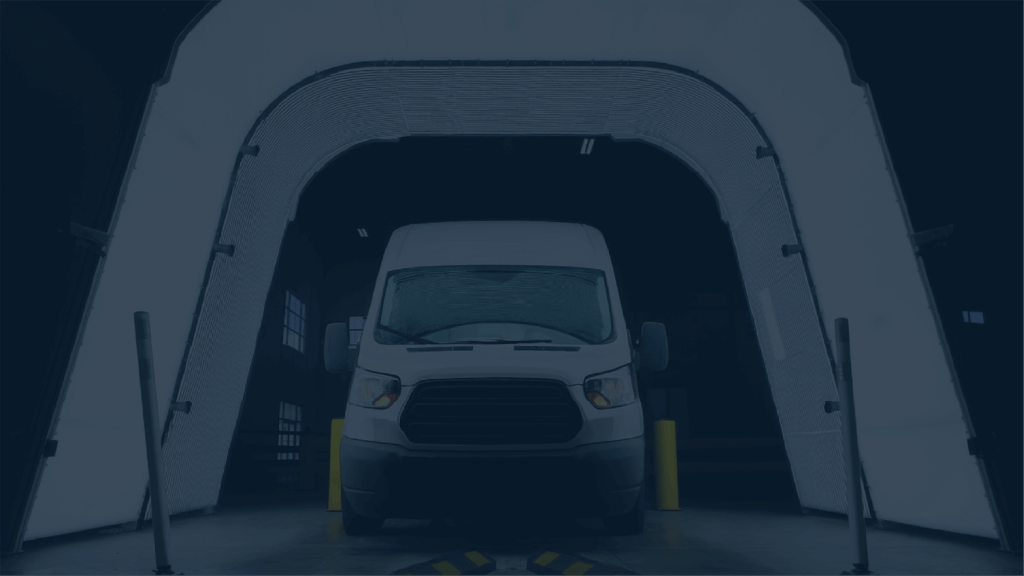
The technology uses a drive-through architecture composed of three systems: Helios (underbody), Artemis (tires), and Atlas (360-degree exterior).
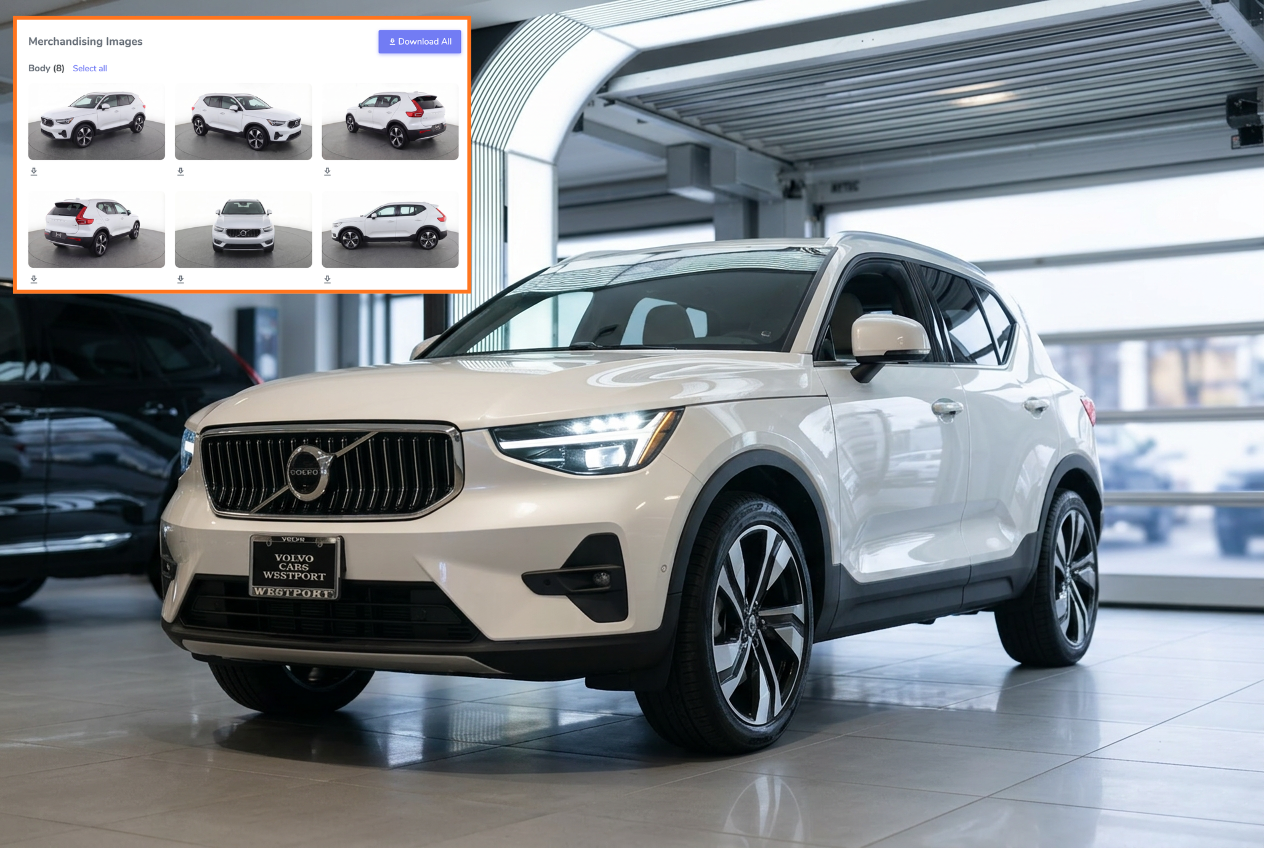
As a vehicle passes through at normal speeds, high-resolution cameras capture thousands of images. In under a minute, AI algorithms identify issues ranging from missing bolts to tire sidewall bulges. For giants like Amazon, this automation identifies defects in less than 30 seconds with 96%+ accuracy, compared to manual inspections which take 20 minutes with accuracy of only 24%.
Maximizing Uptime through Predictive Maintenance
In last-mile delivery, a vehicle “grounding” during peak hours is a logistical nightmare. Automated inspections allow a shift from reactive to predictive maintenance.
Instead of waiting for a highway blowout – an event costing $20,000 on average – AI detects tread nails or small tears days before they become an incident on the road. By surfacing hidden defects, managers can schedule repairs during natural downtime. Furthermore, objective data helps reduce unnecessary groundings by distinguishing cosmetic scratches from critical leaks.
Safety: Protecting Drivers and the Brand
Beyond mechanical integrity, automated inspections address overlooked risks like trip hazards on cargo steps, damaged hazard lights, or any cosmetic damage. By identifying 2-3 times more critical defects than manual checks, AI provides a safety net for drivers and the community. A “UVeye-cleared” vehicle builds driver trust, protects the brand, and reduces the operator’s liability profile.
Scaling for the Future: From Vans to Heavy-Duty
UVeye recently expanded capabilities to support Class 6-8 trucks and buses. This heavy-duty platform performs a 17-point digital inspection in seconds. This scalability is vital for mixed fleets, including Electric Vehicles (EVs), where the technology uses thermal imaging to monitor battery health and underbody integrity.
The Data Advantage: Seamless Integration
The generated data flows directly into Fleet Management Systems, creating a “single source of truth.” Time-stamped, high-resolution images allow fleet operators to automatically identify defects, ground unsafe vehicles, schedule repairs and have the vehicles ready to go before the next route.
They can also reduce disputes over when damage occurred, streamlining insurance claims and improving resale value.
Conclusion
The future of last-mile fleet management is about doing more with data. By replacing manual checks with AI-powered automation, fleets achieve over 95% uptime and superior safety. In an industry where “on time” is the only acceptable metric, AI ensures your fleet is ready. For the modern manager, automated inspection is the new standard for excellence.