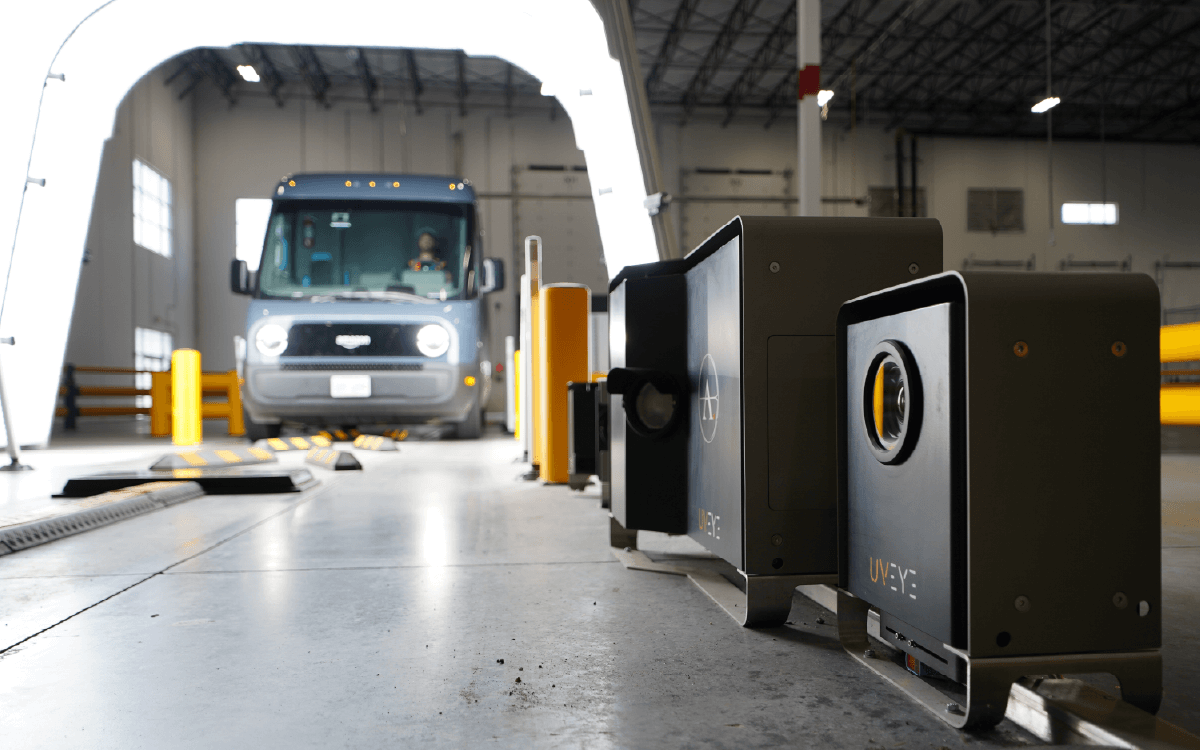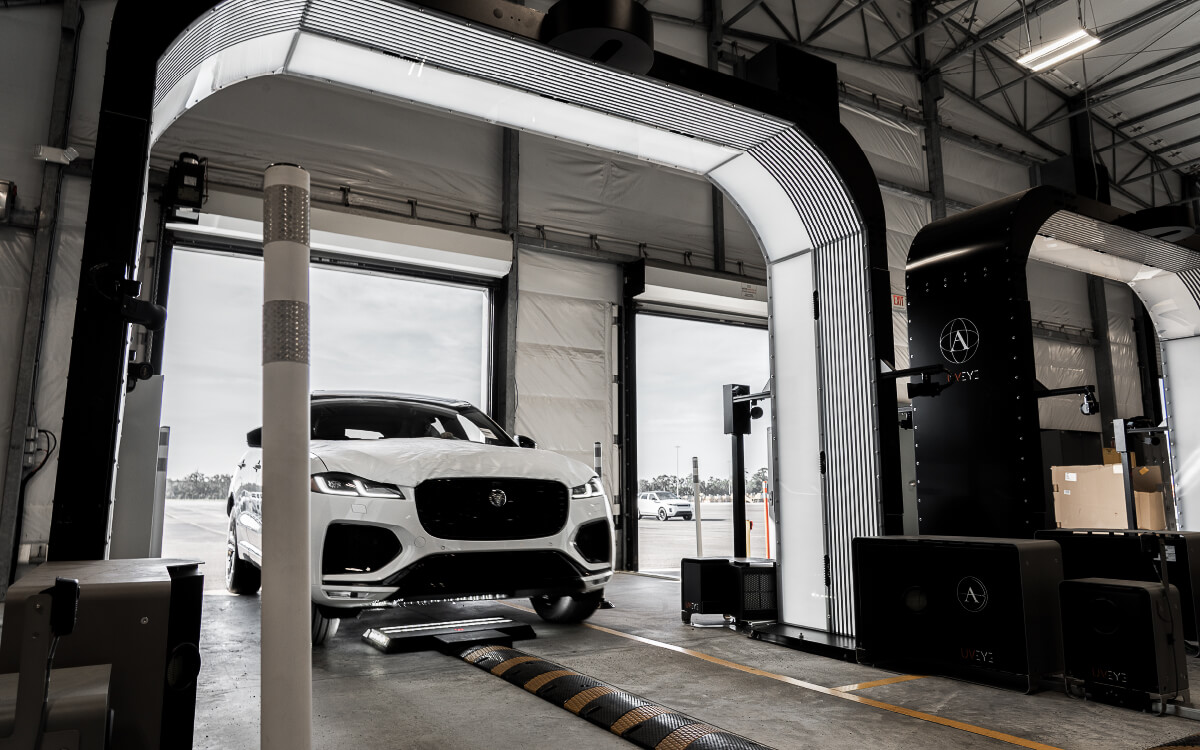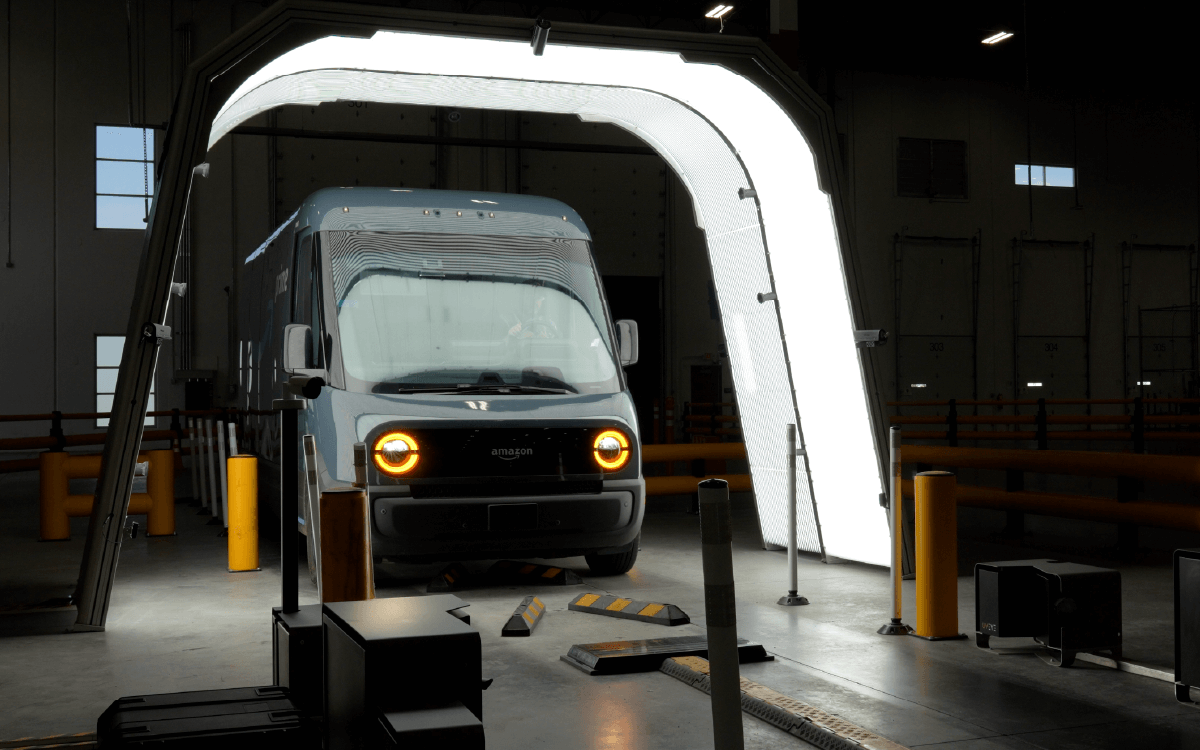
Middle-mile fleets don’t have much room for inspection delays, inconsistent processes, or missed issues. When tractors and trailers are moving freight across the U.S., Mexico, and Canada on tight schedules, small inspection gaps can turn into downtime, safety exposure, and missed delivery commitments. That’s why more commercial trucking operators, like Mesilla Valley Transportation, are moving toward automated vehicle inspections. Instead of relying only on manual walkarounds, fleets are starting to use standardized, drive-thru scans that create a clear digital record of vehicle condition in seconds.
What’s changing in commercial fleet inspections
For years, inspections in trucking have depended heavily on manual routines. Experienced teams know what to look for, but manual processes still vary by location, shift, workload, and time pressure. That creates a consistency problem.
In high-utilization fleets, consistency matters just as much as speed. A process that catches issues one day but misses them the next creates operational risk. It also makes it harder to document vehicle condition across yards, terminals, and handoff points.
Automated inspections help close that gap by creating a repeatable process every time a vehicle passes through the lane. The goal is not to replace experienced teams. It is to give them better visibility, faster documentation, and a more standardized way to identify issues before they affect uptime.
Why the middle mile is a strong fit for automation
Middle-mile operations run at a scale where inspection efficiency has a direct impact on performance. Fleet managers are balancing safety expectations, service commitments, maintenance planning, and asset availability at the same time.
That makes this segment especially well suited for automated inspections. When scans happen in seconds and results are delivered in a digital report, teams can move faster without losing visibility into vehicle condition. Problems like tire damage, underbody issues, leaks, exterior damage, or unauthorized modifications become easier to spot and document early.
For fleets, that changes inspections from a checkpoint into a decision tool. Instead of relying on incomplete information or guesswork, operators can work from a consistent digital record that supports maintenance planning and risk reduction.
What the UVeye and MVT partnership signals
UVeye’s new partnership with Mesilla Valley Transportation is a strong example of where the market is heading. MVT is one of North America’s largest privately owned transportation companies, operating thousands of trucks and trailers across the United States, Mexico, and Canada. According to the release, the partnership brings UVeye’s automated inspection systems into MVT’s trucking operations to improve safety, consistency, and operational efficiency across the fleet.
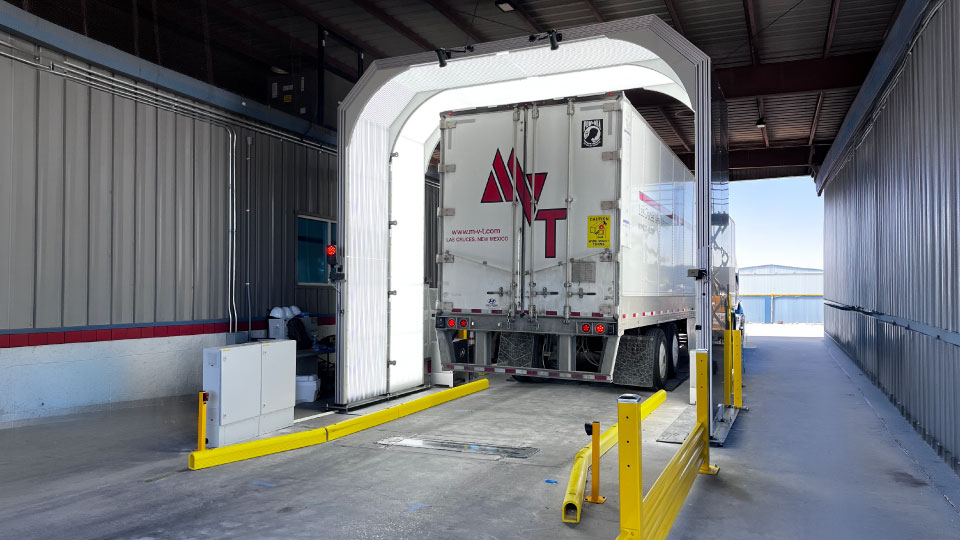
That matters because it shows automated inspection moving deeper into commercial trucking operations, not just passenger vehicle environments. It also highlights a broader industry shift: fleets are looking for inspection workflows that are faster, more objective, and easier to scale across large operations.
What automated inspections can capture
In this deployment, UVeye’s drive-thru scanners perform a full 360-degree scan of heavy-duty vehicles in seconds. The system is designed to detect exterior, underbody, tire, and mechanical issues, then present findings in digital reports. The platform supports Class 6 through 8 trucks and enables an automated 17-point inspection process aligned with CTPAT 17 requirements in the U.S. and U.K.
That level of coverage is important for fleet operators because it creates a more complete picture of vehicle condition without adding friction to the inspection process. In practical terms, that means teams can identify issues sooner, standardize documentation, and make faster maintenance decisions.
Faster inspections are useful, but the bigger value is operational consistency. When fleets have a reliable process for documenting vehicle condition, they can reduce inspection variability, improve maintenance visibility, and strengthen accountability across the operation.
That supports several priorities at once. It helps protect uptime by catching issues before vehicles leave the yard. It helps support safety by making condition data easier to review and act on. It also helps reduce disputes by creating a timestamped, visual record of what the vehicle looked like at a specific point in time.
For large fleets, those benefits add up quickly. A more consistent inspection process can improve maintenance coordination, reduce manual friction, and give leadership better data on how assets are performing across locations.
Why data-backed inspections matter more now
Fleet operators are under pressure to do more with clearer documentation and less ambiguity. Manual inspections will always remain part of the workflow, but the industry is moving toward inspection systems that produce standardized, shareable, and objective records.
That’s where automation becomes especially valuable. When vehicle condition data is captured consistently, it becomes easier to connect inspections to maintenance decisions, compliance routines, and operational performance. Instead of treating inspections as isolated events, fleets can use them as part of a broader strategy for uptime and risk management.
This is one reason the UVeye and MVT partnership stands out. It reflects a practical shift in how commercial fleets are thinking about inspections: not as a necessary delay, but as a fast source of operational intelligence.
What’s Next
As more fleets look for ways to improve uptime, reduce risk, and standardize inspection workflows, automated vehicle inspections will likely become a more common part of commercial trucking operations. UVeye’s work with Mesilla Valley Transportation shows what that shift can look like in practice: faster inspections, clearer documentation, and better visibility into vehicle condition across a large fleet.