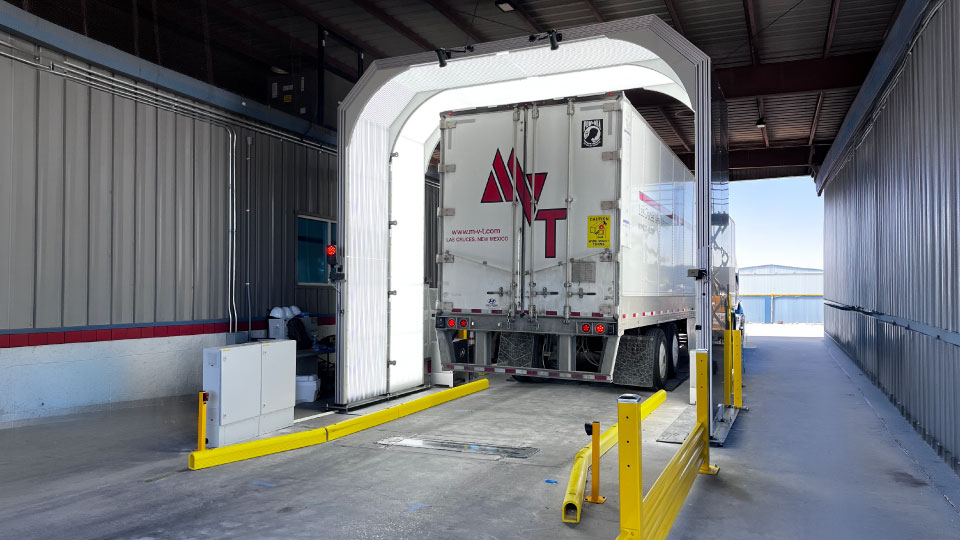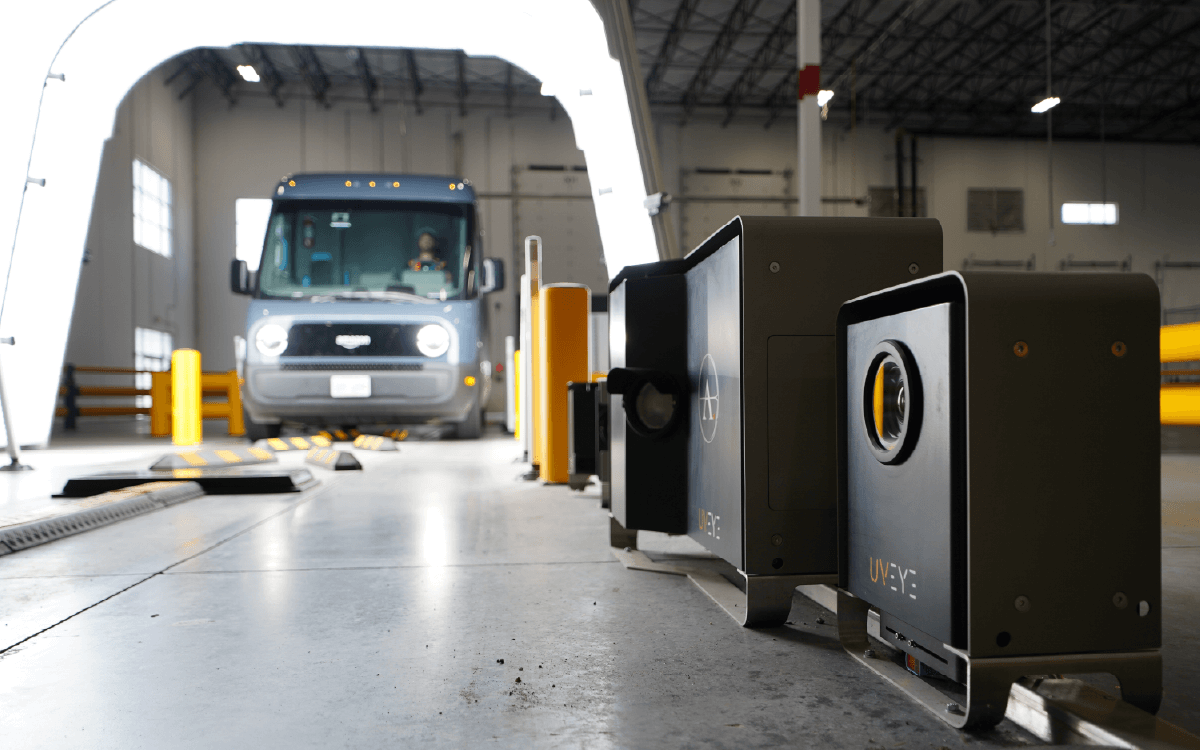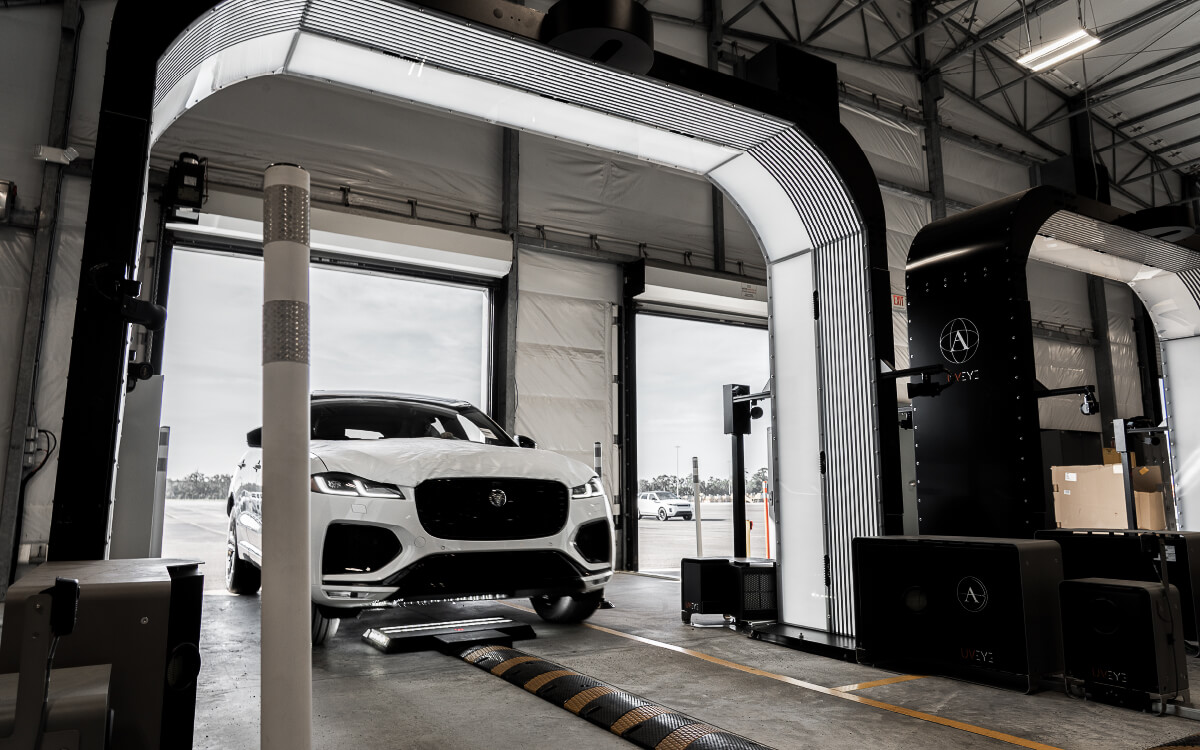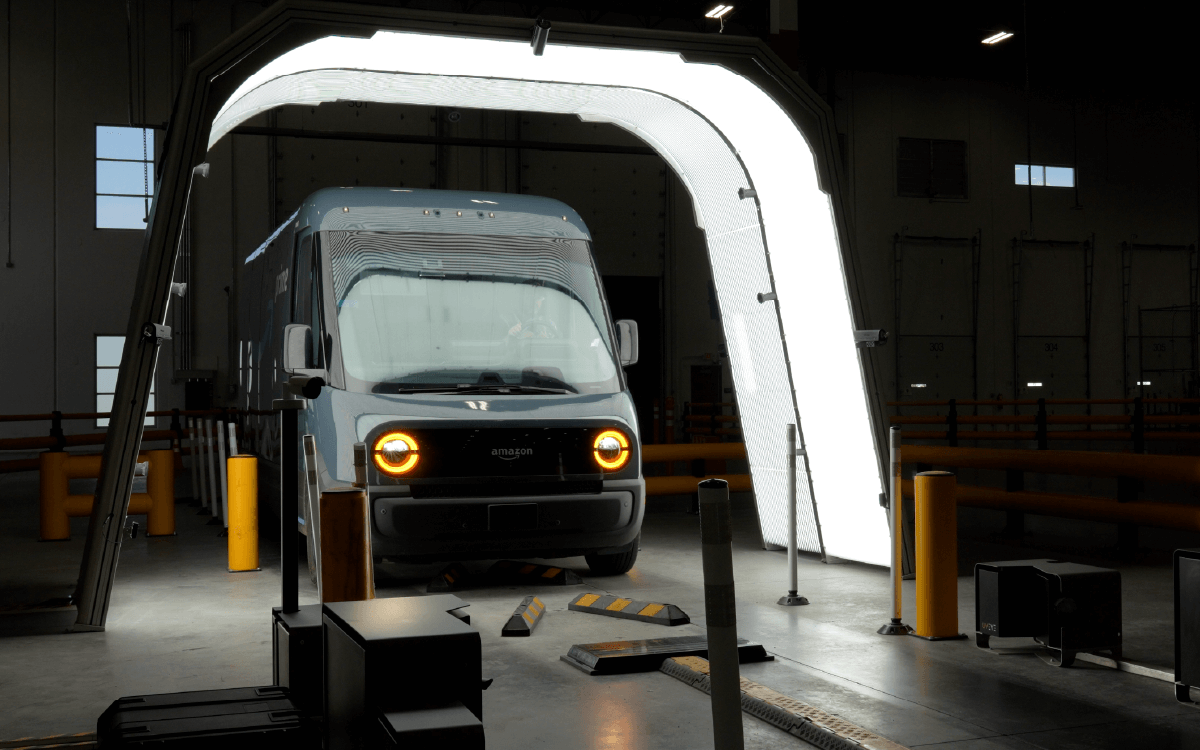
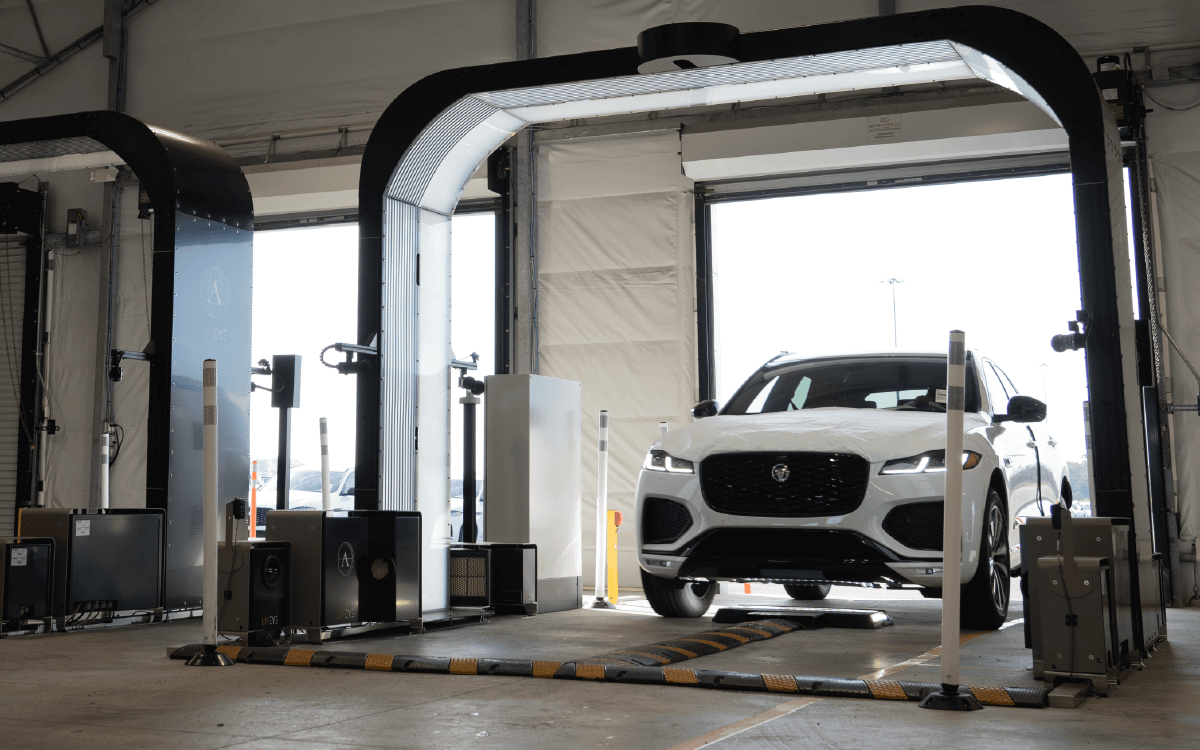
For Original Equipment Manufacturers (OEMs), logistics providers, and port operators, moving high volumes of vehicles across multi-leg transit routes introduces major financial vulnerability. In this environment, the importance of finished vehicle logistics inspection is becoming increasingly clear. Tracking vehicle condition across truck, rail, or ship legs has historically relied on slow, manual inspections. Consequently, clipboard checks leave the entire automotive supply chain exposed to costly damage disputes, repair rework, and brand friction. These issues arise before a vehicle ever reaches the showroom floor.
Automating Pre-Delivery Inspection (PDI) checks is completely changing the game. By deploying touchless, AI-powered drive-through inspection portals directly at logistics hubs and seaports, operators are establishing a transparent, digital vehicle journey. This approach eliminates hidden liabilities.
Evidence-Backed Accountability: Eliminating the Damage Dispute
The most significant pain point in finished vehicle logistics is damage attribution. When a vehicle arrives at a dealership with a scratched panel, a dent, or underbody scraping, determining when and where that defect occurred turns into an expensive game of finger-pointing. This often happens between carriers, port handlers, and the factory.
UVeye solves this by capturing a single source of truth at every handover gateway. As vehicles leave shipping vessels or railcars and drive straight through the portal, UVeye creates a 360° digital condition record in seconds. This system captures exterior anomalies, roof damage, underbody leaks, and tire objects faster than a camera flash.
Because every high-resolution image is automatically time-stamped and securely stored in a cloud platform, logistics teams gain bulletproof proof of condition. As a result, clear documentation results in a 100% drop in liability and policy spend disputes. This stops false claims before they ever start.
Protecting Global Brand Reputation and Surfacing Chronic Defects
Manual inspection vulnerabilities extend far beyond the direct financial cost of a claim. Letting transit-induced defects slip past a port gateway has a direct, negative impact on corporate brand reputation. This occurs when a luxury vehicle or premium EV is delivered to a customer or dealer network in a less-than-perfect state.
Automated vehicle tracking introduces Consistent Quality Assurance by catching transit issues upstream before outbound ground transport release. Furthermore, the AI-driven data ecosystem introduces Recurring Defect Detection. By surfacing chronic transit or tie-down damage trends across specific transport routes or carriers, OEMs can trace root causes. They can then prevent repeat issues from happening down the line.
Speed and Quality in Motion
Automating the inspection process proves that maximizing quality assurance does not require slowing down high-volume pipelines.
- +90% Faster Tracking: Slashed manual touch-time means vehicle acceptance lines keep moving continuously.
- >10% More Defects Detected: Advanced computer vision identifies subtle, structural, or mechanical flaws missed completely by human eyes.
By utilizing evidence-backed accountability to close data blind spots, automotive logistics operators can shield themselves from false claims. In addition, they can streamline handoffs and guarantee that only pristine, showroom-ready vehicles hit the dealership lot.