For last-mile delivery providers and distribution hubs, fleet uptime directly impacts daily package throughput and customer satisfaction. High daily mileage, frequent stops, and tight delivery schedules put continuous stress on delivery vans and box trucks. Traditional fleet management relies heavily on manual driver walkarounds and Driver Vehicle Inspection Reports (DVIRs). This routine is often rushed, highly subjective, and prone to missed mechanical issues. In many cases, last mile delivery fleet inspection protocols are inconsistent. As a result, this can increase risk over time.
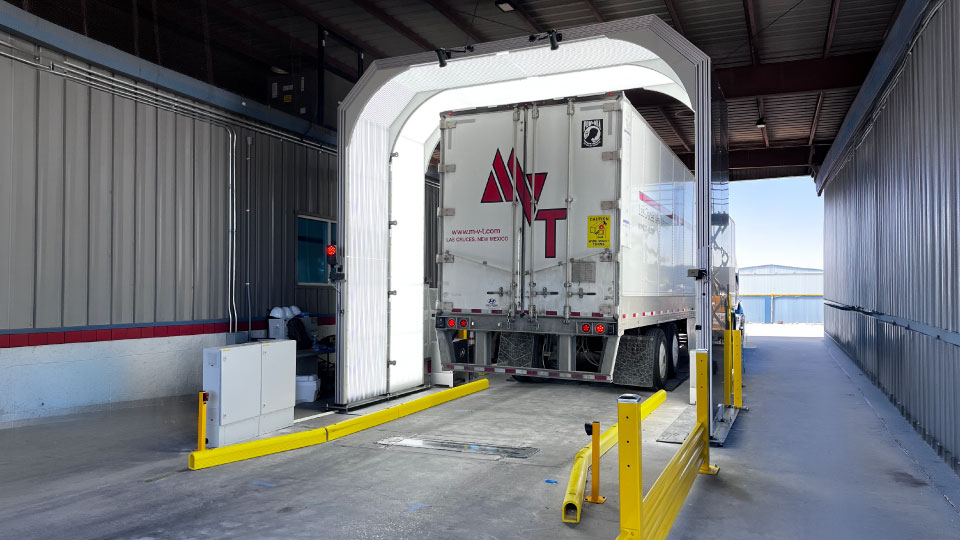
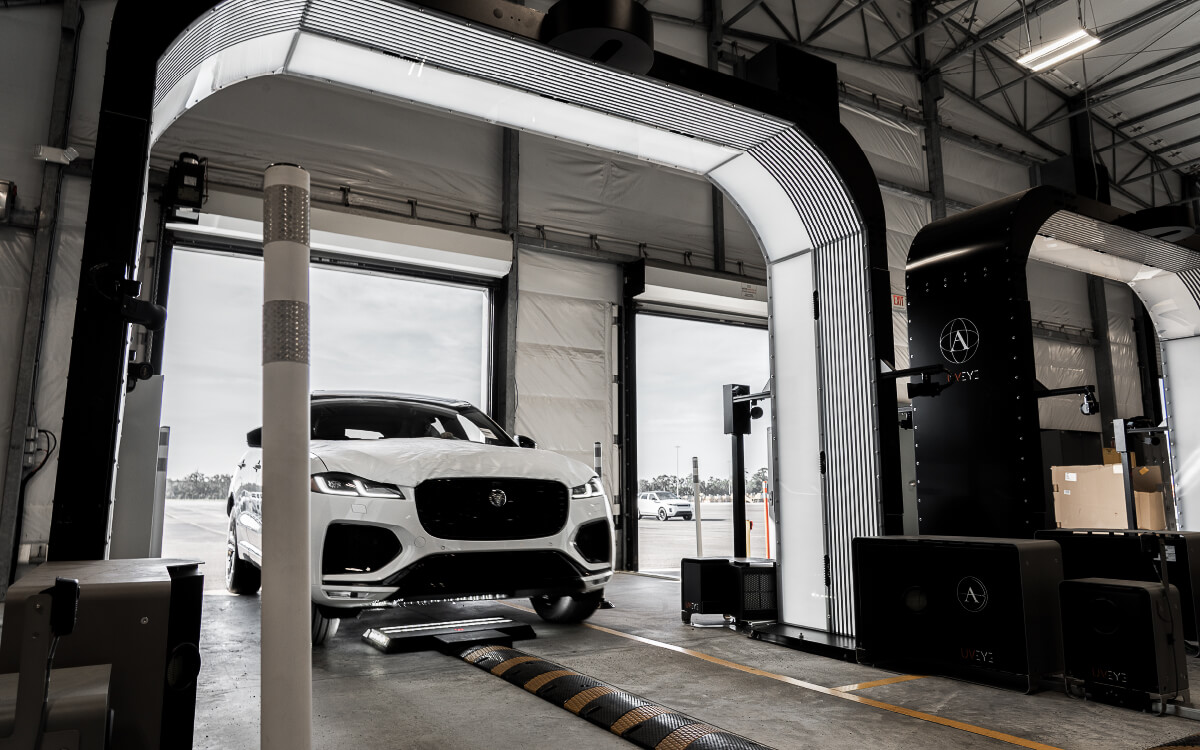
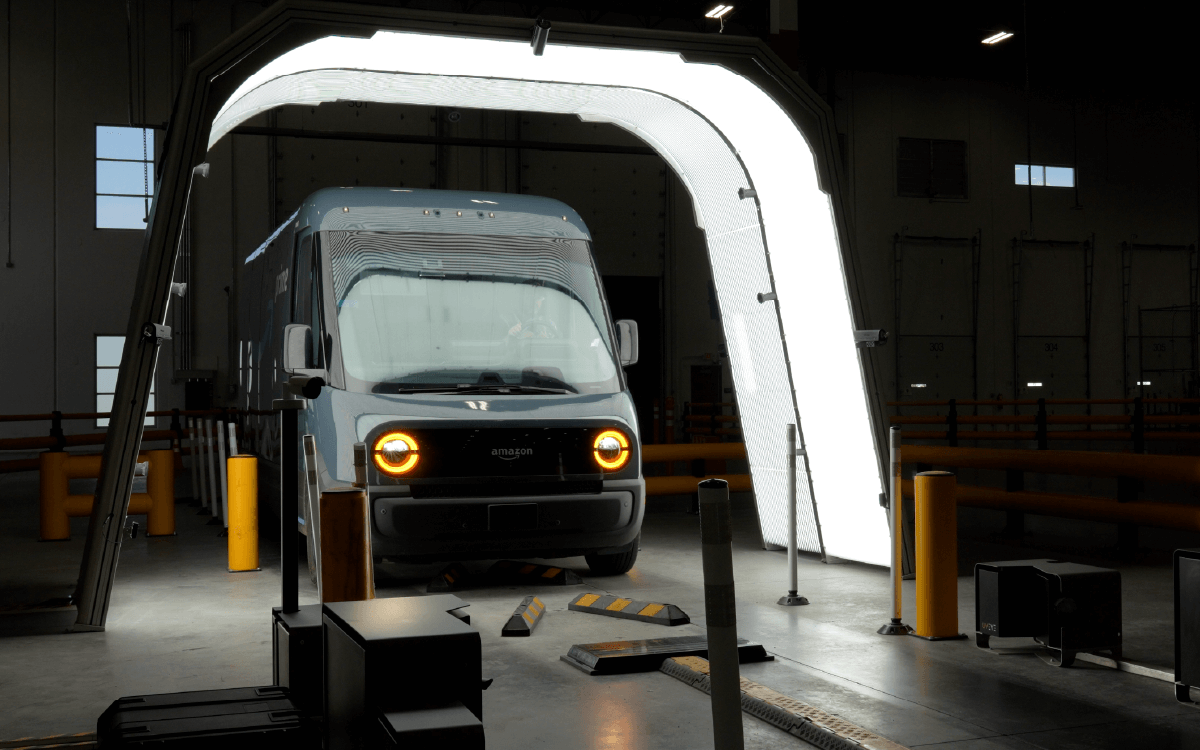
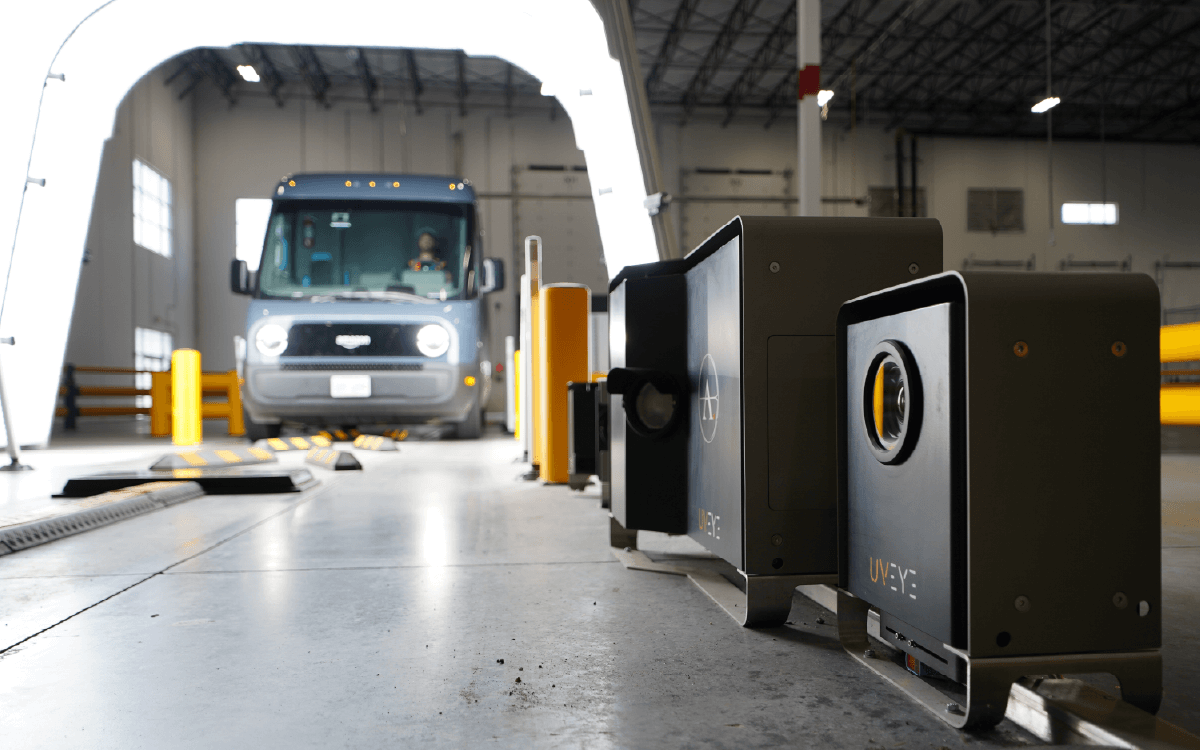
To eliminate distribution yard bottlenecks and keep delivery vehicles on the road, fleet managers are modernizing their intake workflows. By deploying UVeye automated drive-thru inspection portals at yard entrances, delivery operations replace manual clipboards with instantaneous, objective, and cloud-documented vehicle condition checks. Furthermore, next-generation inspection hardware streamlines the last mile delivery fleet’s intake and inspection process. This results in much faster departure times.
Eliminating Yard Bottlenecks and Manual Inspection Errors
Manual checks during rapid shift changes create severe gate congestion. Drivers pressing to hit route departure times often perform quick, superficial checks that miss early-stage mechanical hazards. This is why the last mile delivery fleet inspection procedure is so critical for keeping vehicles flowing efficiently out of the gate.
UVeye drive-thru scanning portals transform distribution center efficiency:
- Comprehensive Safety Check: UVeye computer vision systems capture high-resolution imagery to identify tire wear, underbody fluid leaks, and exterior damage far more reliably than manual walkarounds during last mile delivery fleet vehicle inspections.
- Instant Automated Alerts: Scanners inspect the entire vehicle exterior, undercarriage, and tire treads in a single pass, automatically flagging sidewall bulges, severe tread loss, and frame wear.
- Maximizing Gate Throughput: Rather than delaying drivers with lengthy manual walkarounds, UVeye conducts full-vehicle checks at normal yard speeds. As a result, this drastically reduces gate check-in times for any last mile delivery operation conducting a fleet inspection.
Proactive Maintenance for Last-Mile Assets
Unscheduled breakdowns during a delivery route lead to missed delivery windows, costly cargo transfers, and expensive emergency towing fees. Identifying component wear early allows logistics managers to transition from reactive troubleshooting to a proactive maintenance strategy. This strategy incorporates a regular last mile delivery fleet inspection schedule.
By collecting millimeter-level tire and underbody data during routine gate passes, UVeye surfaces active leaks and alignment issues before they trigger a roadside failure. Maintenance teams receive photo-backed alerts in a central cloud platform. This system allows repairs to be scheduled during planned off-hours—an essential part of an advanced last mile delivery fleet inspection routine.
Digital Records and Unalterable Audit Trails
Unverified vehicle conditions leave delivery fleets vulnerable to false damage claims, disputes between drivers, and regulatory safety fines. For organizations focused on last mile delivery, fleet inspection records are critical to avoid such liability.
Every pass through a UVeye portal generates a time-stamped digital condition report linked to the vehicle’s VIN. This secure cloud record provides an objective baseline of vehicle health, resolving internal disputes and ensuring delivery fleets stay fully compliant. In summary, timely last mile delivery fleet inspection measures not only improve compliance but also boost overall operational effectiveness.