
Managing commercial fleet operating expenses requires constant oversight of maintenance workflows, fuel efficiency, and asset longevity. High daily mileage and tight delivery schedules put continuous strain on fleet vehicles. Traditional preventive maintenance relies on scheduled calendar intervals and driver walkarounds, leaving early-stage mechanical issues and uneven tire wear undetected until they trigger expensive shop repairs or roadside breakdowns.
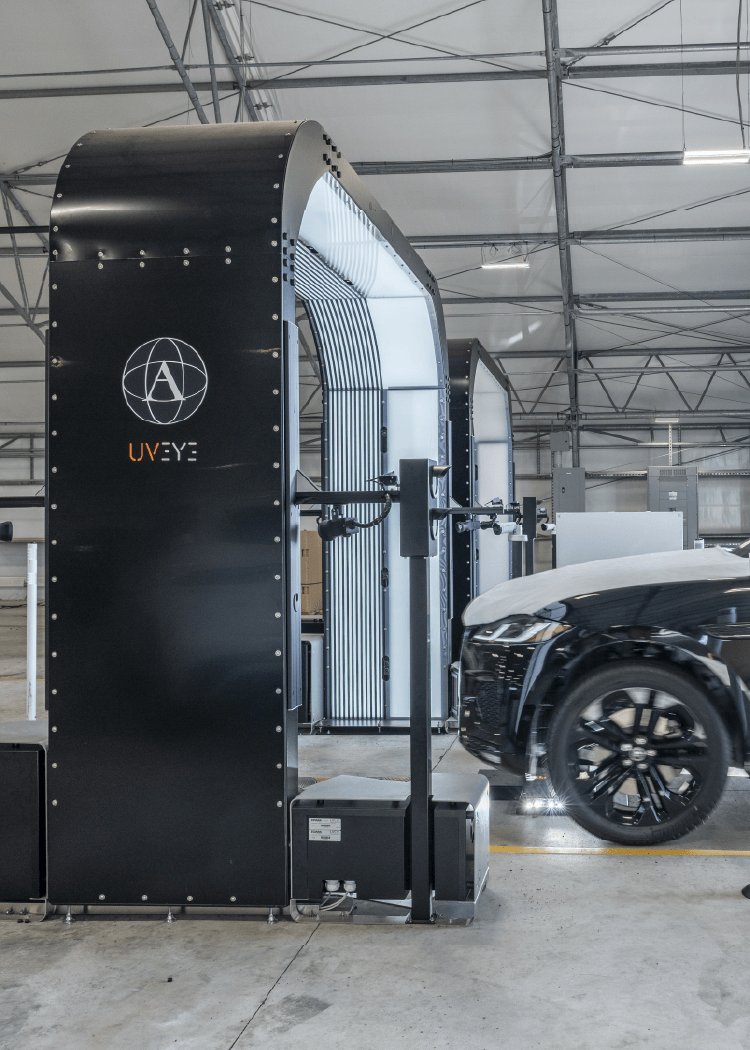
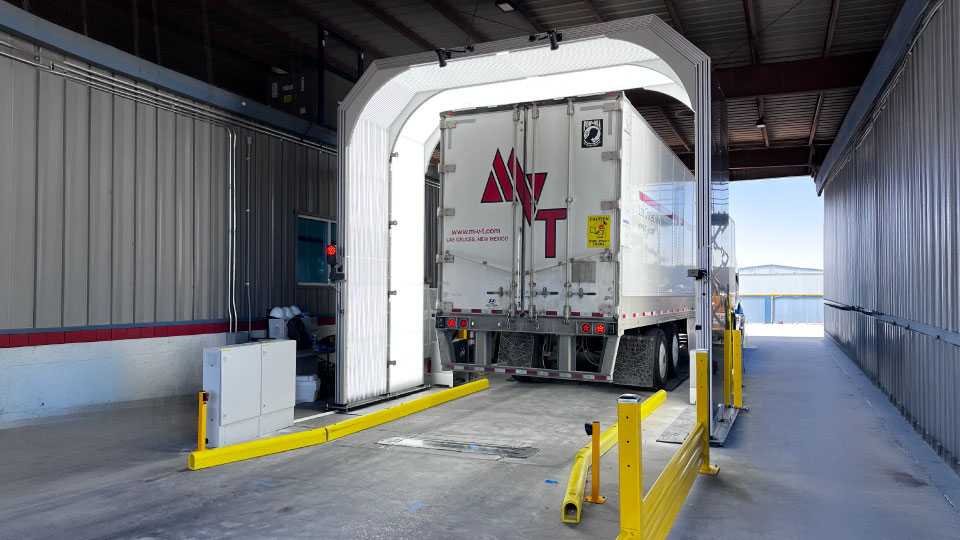
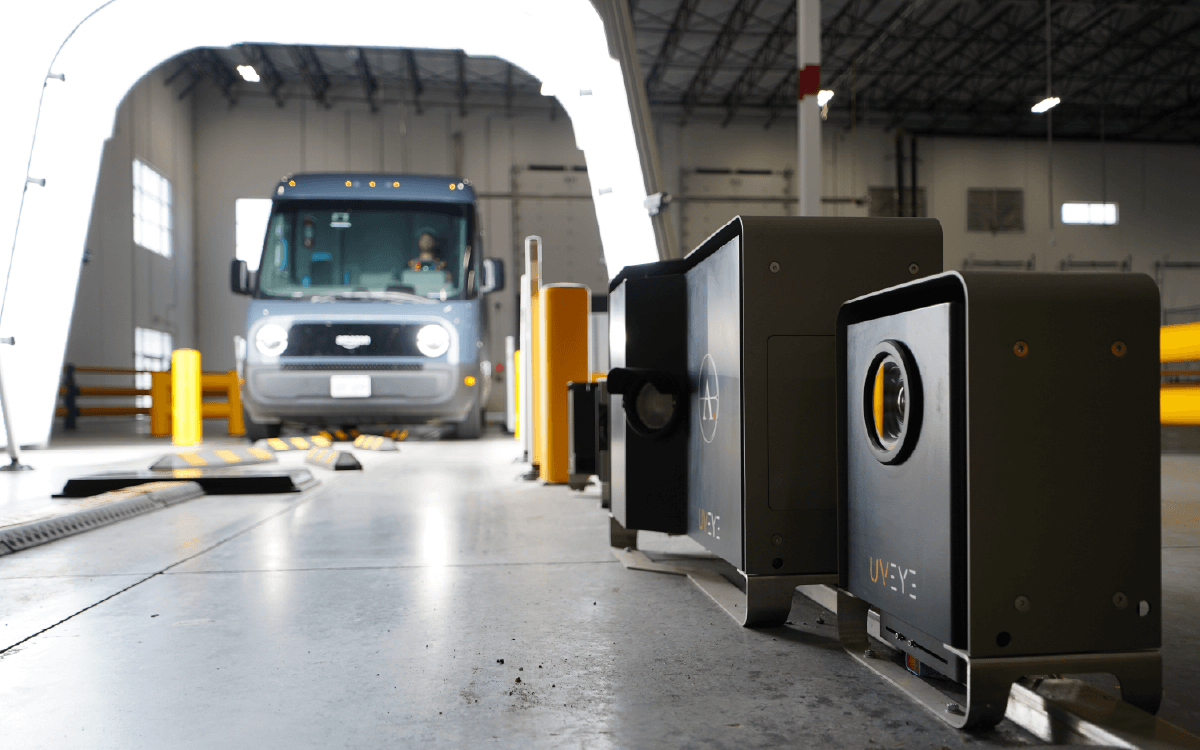
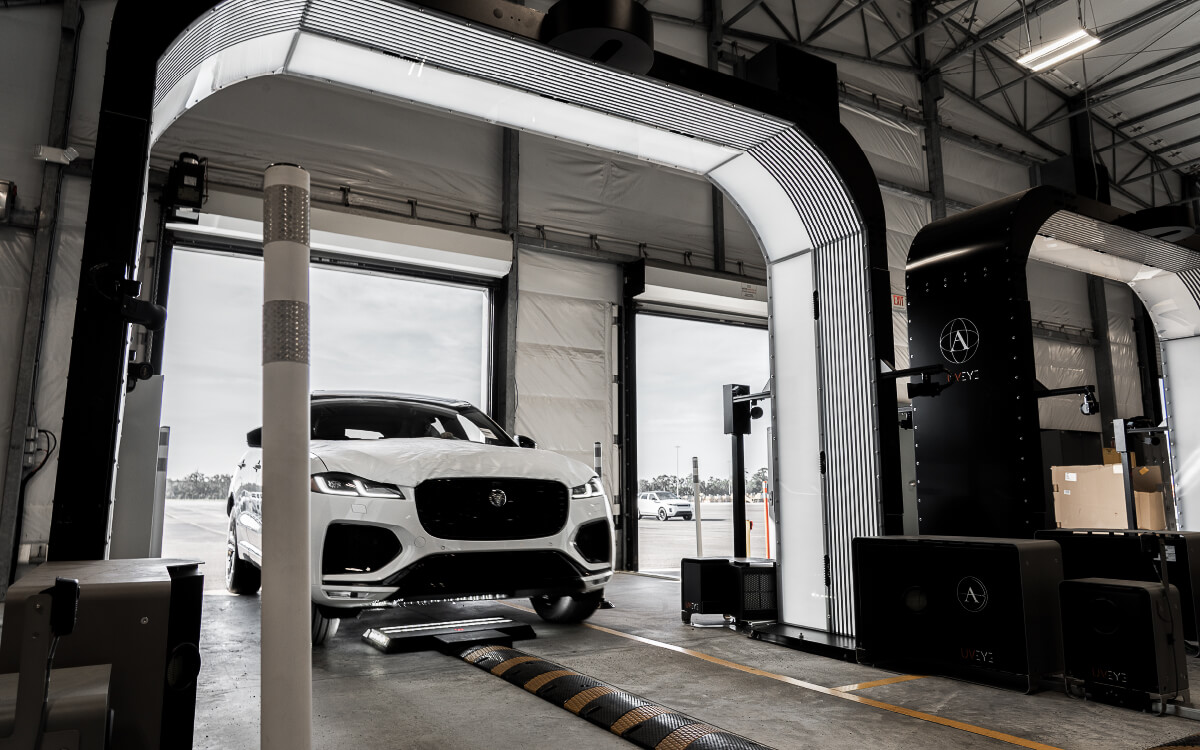
To lower maintenance overhead and maximize vehicle uptime, fleet operations are modernizing their check-in workflows. Deploying UVeye automated drive-thru vehicle inspection portals at fleet exit and return lanes transforms routine inspections into a proactive cost-saving engine.
Catching Critical Mechanical Wear Before Failure
Relying on periodic shop visits or manual visual checks leaves blind spots under the vehicle and across tire treads. Small fluid leaks and misalignment issues escalate quickly into major component failures.
UVeye automated inspection systems optimize fleet maintenance:
- High-Precision Underbody Inspections: High-speed optical sensors capture clear imagery of the vehicle undercarriage, automatically alerting service teams to active oil, coolant, or fluid leaks and structural wear.
- Continuous Tire Tread Analytics: Drive-thru portals measure tread depth across the entire surface of every tire, flagging irregular wear patterns caused by improper inflation or wheel misalignment before a blowout occurs.
- 360-Degree Condition Visibility: AI systems evaluate the full vehicle exterior, detecting structural panel damage and loose components during routine drive-throughs.
Shifting from Reactive Repairs to Proactive Savings
Emergency towing, roadside service calls, and missed delivery windows carry significant financial costs. Identifying wear patterns early allows fleet managers to schedule minor service tasks during planned off-hours.
By generating real-time, photo-backed reports stored securely in a cloud platform, UVeye gives fleet maintenance teams clear, actionable data. Service advisors can address minor leaks and perform timely tire replacements before assets suffer severe mechanical damage, extending the total operational lifespan of every vehicle in the fleet.