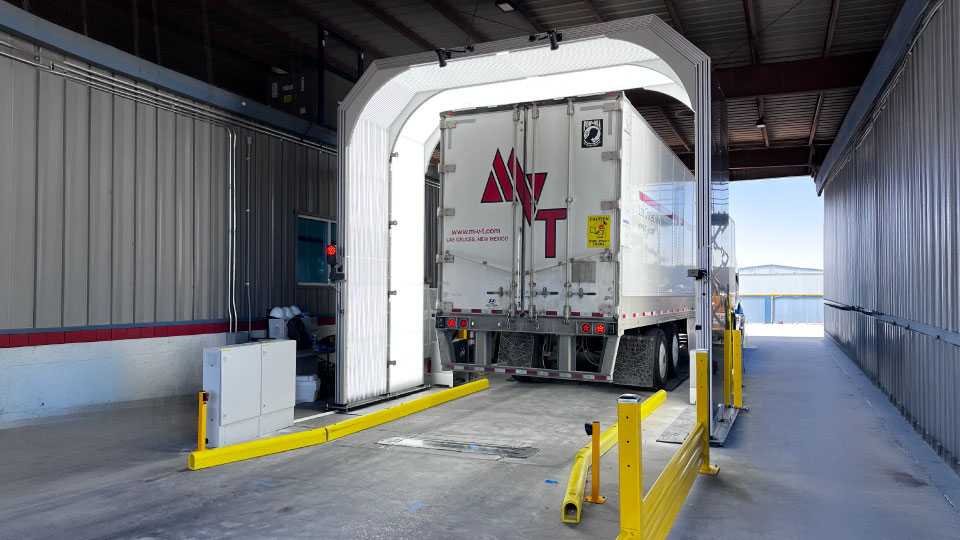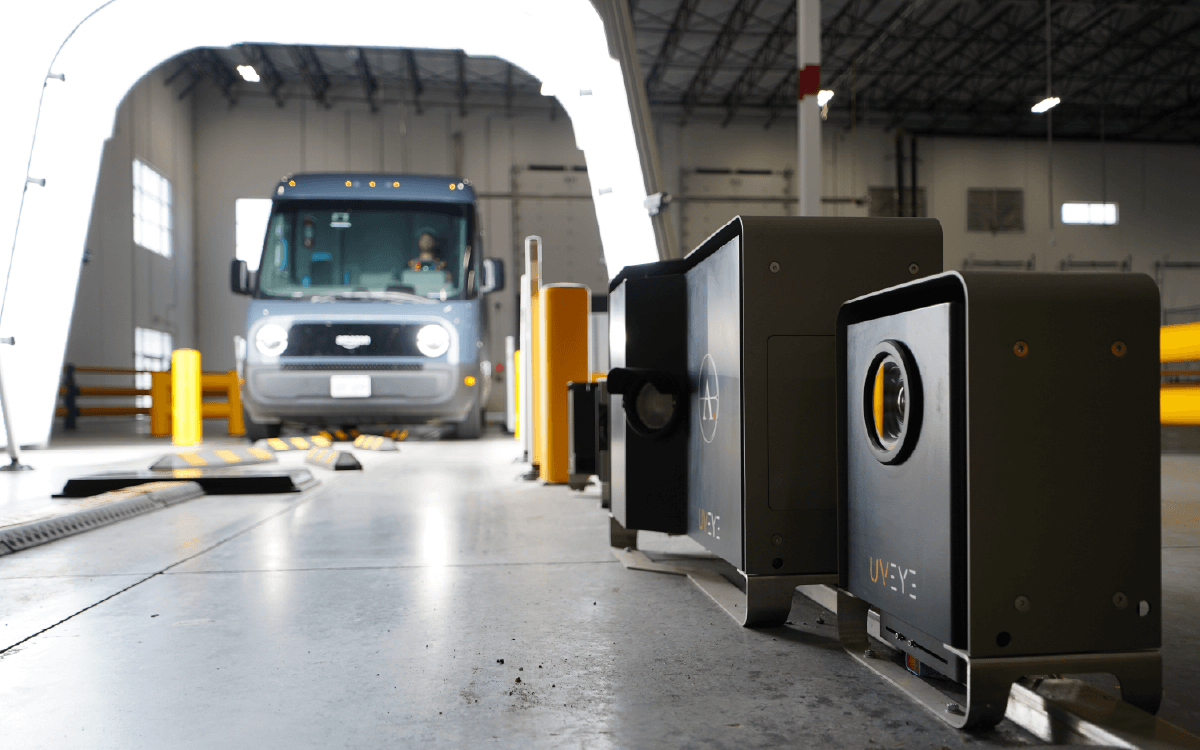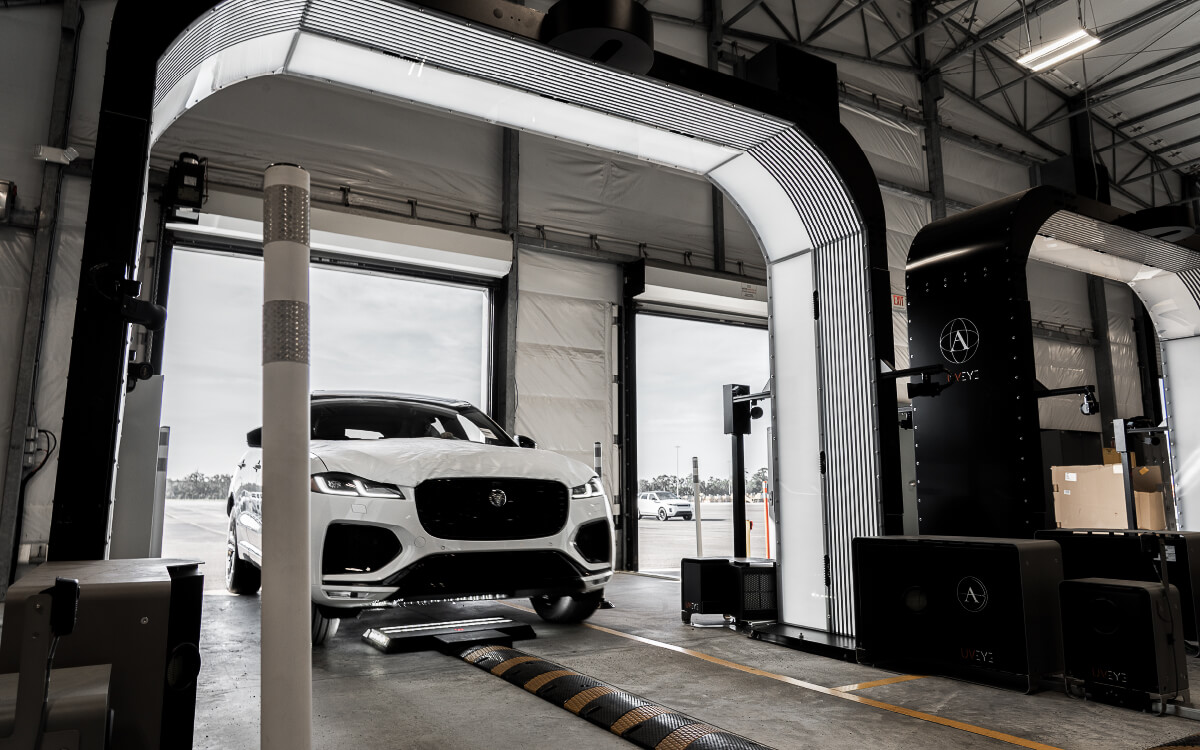
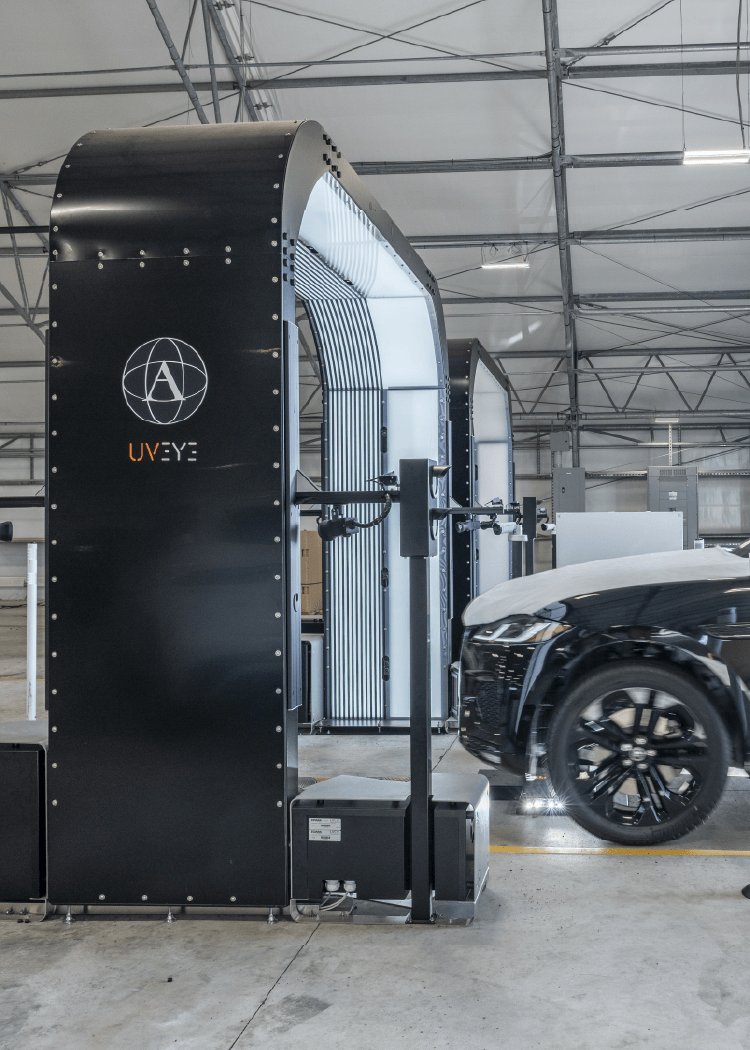
In finished vehicle logistics (FVL), transporting new assets from assembly plants to distribution hubs, railheads, and dealer lots requires seamless custody handovers. Every transfer point between carriers presents risk for minor exterior scuffs, rim damage, or underbody scraping. Traditional manual checks during high-volume vehicle handovers are slow and subjective, making damage attribution difficult once assets reach their final destination.
To streamline custody transfers and accelerate inventory throughput, logistics managers are integrating UVeye drive-thru AI inspection portals directly into primary transport hubs and handover lanes.
Streamlining Handover Checks at Logistics Hubs
Manual inspections during rapid carrier loading and offloading create bottlenecks across processing lanes. Inspectors working under tight schedule constraints miss subtle surface defects and underbody scraped components.
UVeye automated inspection portals replace subjective checks with instant digital accuracy:
- Rapid Touch-Free Scanning: As transport trucks or individual vehicles pass through the portal at normal driving speeds, high-resolution computer vision captures complete exterior, tire, and underbody data in seconds.
- Instant Damage Attribution: Comparing scans from vehicle release to receiving lanes creates an undeniable visual baseline, pinpointing exact damage location and timing.
- Accelerated Cycle Times: Touch-free automated scanning slashes check-in times, allowing carriers to process vehicles faster without sacrificing inspection thoroughness.
Protecting Asset Values and Eliminating Liability Claims
Unresolved damage claims during multi-carrier transit lead to lengthy administrative disputes and direct financial loss.
Every scan completed by a UVeye portal generates a time-stamped digital condition report linked directly to the vehicle’s VIN. Stored in a centralized cloud platform, this unalterable single source of truth provides clear visual proof for logistics providers, ocean carriers, rail operators, and receiving dealers. Eliminating claim ambiguity protects asset residual values and ensures smooth, transparent vehicle handovers across the entire supply chain.