For modern commercial fleets, managing daily operations requires complete visibility over asset health and maintenance workflows. However, routine vehicle checks often remain isolated from central fleet systems. When drivers perform manual inspections with paper reports, critical maintenance needs are delayed by slow data entry. This disconnect leads to missed issues, prolonged vehicle downtime, and unexpected repair expenses.
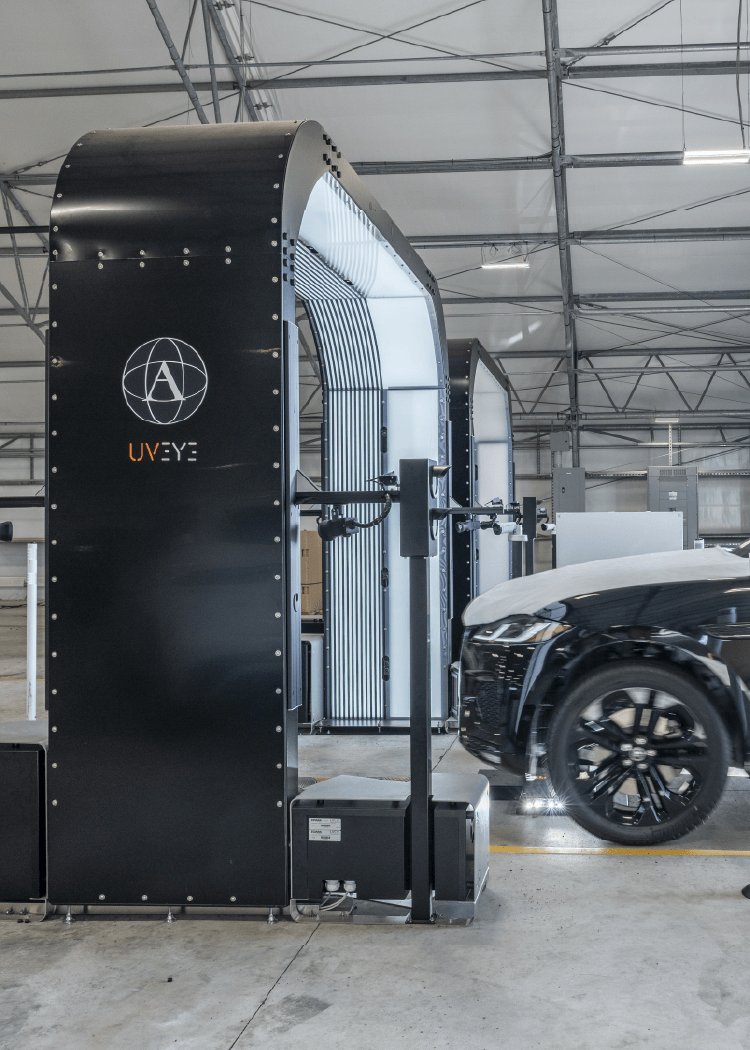
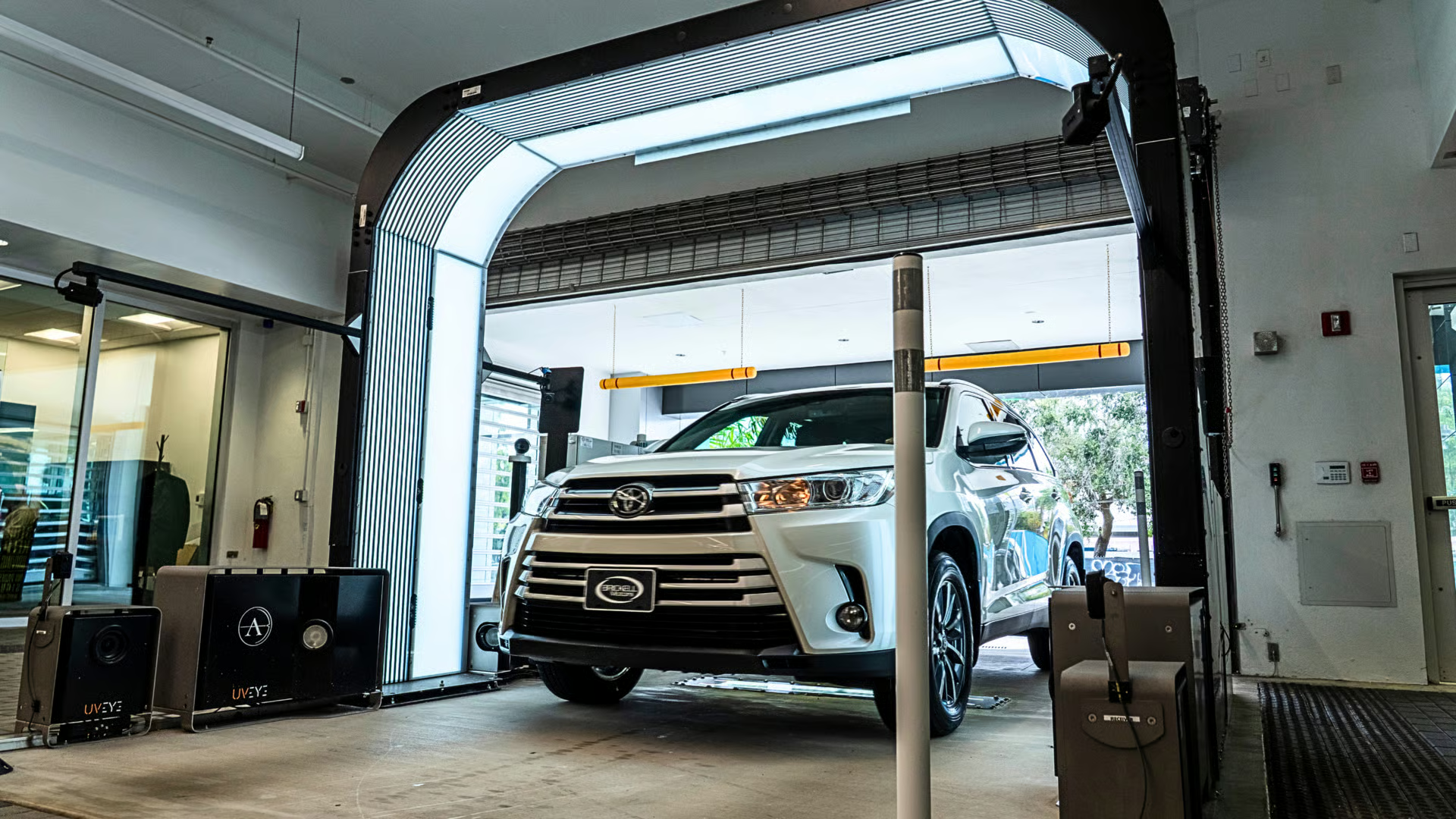
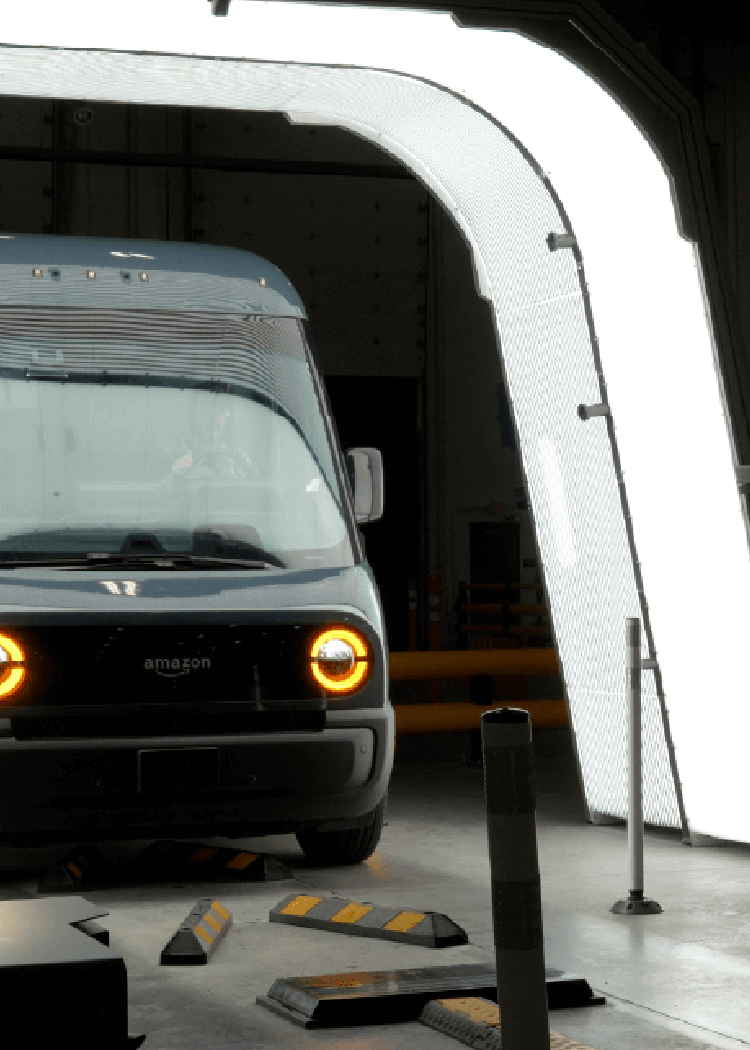
To bridge this operational gap, commercial fleet operators are connecting automated vehicle inspection systems directly to their daily software workflows. Deploying UVeye automated drive-thru vehicle inspection portals allows fleets to turn routine drive-through scans into instantaneous, actionable fleet insights within their existing Fleet Management Systems (FMS).
Eliminating Delays with Seamless Fleet Integration Manual inspections create administrative friction and slow down maintenance responses. Connecting drive-thru scanning portals directly to central fleet software ensures inspection findings trigger immediate operational support.
UVeye drive-thru inspection portals integrate smoothly into daily fleet operations:
- Instant Full-Vehicle Scanning: Vehicles pass through the portal at normal driving speeds, capturing complete condition data across the underbody, tires, and exterior in seconds without interrupting routine movements.
- Direct Fleet Management System (FMS) Connectivity: The UVeye cloud platform integrates natively with fleet management platforms, maintenance systems, and insurance workflows, automatically syncing inspection data directly to the vehicle profile.
- Actionable Photo-Backed Reports: Instead of vague notes, AI-driven reports highlight required maintenance with clear, time-stamped imagery, allowing maintenance teams to schedule service before minor wear escalates into a breakdown.
Keeping Every Vehicle on the Road Connecting inspection technology directly to fleet platforms helps commercial operations shift from reactive repairs to proactive fleet management. Maintenance coordinators receive clear visibility into required repairs before vehicles leave the yard, enabling teams to stage parts and address issues during scheduled downtime.
Automating routine checks and streamlining paperwork reduces liability, strengthens driver trust and confidence, and elevates operational efficiency across the entire organization.