For commercial fleet operators and logistics providers, unscheduled downtime is one of the single largest threats to operational profitability. Managing tight schedules, middle-mile transit legs, and driver changeovers makes routine safety compliance a constant challenge. Additionally, traditional inspection methods rely heavily on driver walkarounds and manual Driver Vehicle Inspection Reports (DVIRs). This process is slow, subjective, and prone to human error.
To reduce maintenance costs and keep vehicles on the road, fleet operators are modernizing their workflows. By deploying automated, AI-powered drive-thru vehicle condition scanners, fleets can transform routine compliance into an instantaneous, objective, and cloud-backed process.
Automated Inspection Portals vs. Manual DVIRs: Catching Safety Defects Instantly
Manual DVIRs yield a 24% accuracy rate during manual-only inspections and miss early-stage defects. Automated vehicle inspection systems deliver 96% accuracy and catch 2 to 3 times more defects than manual checks.
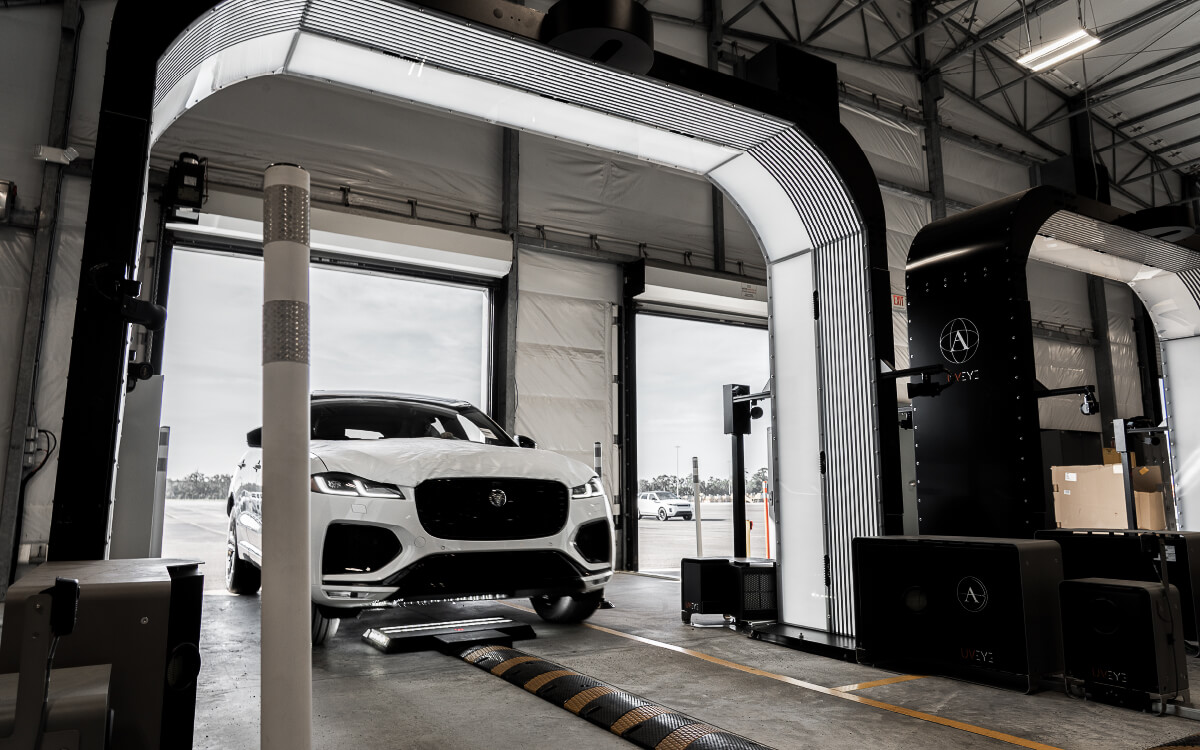
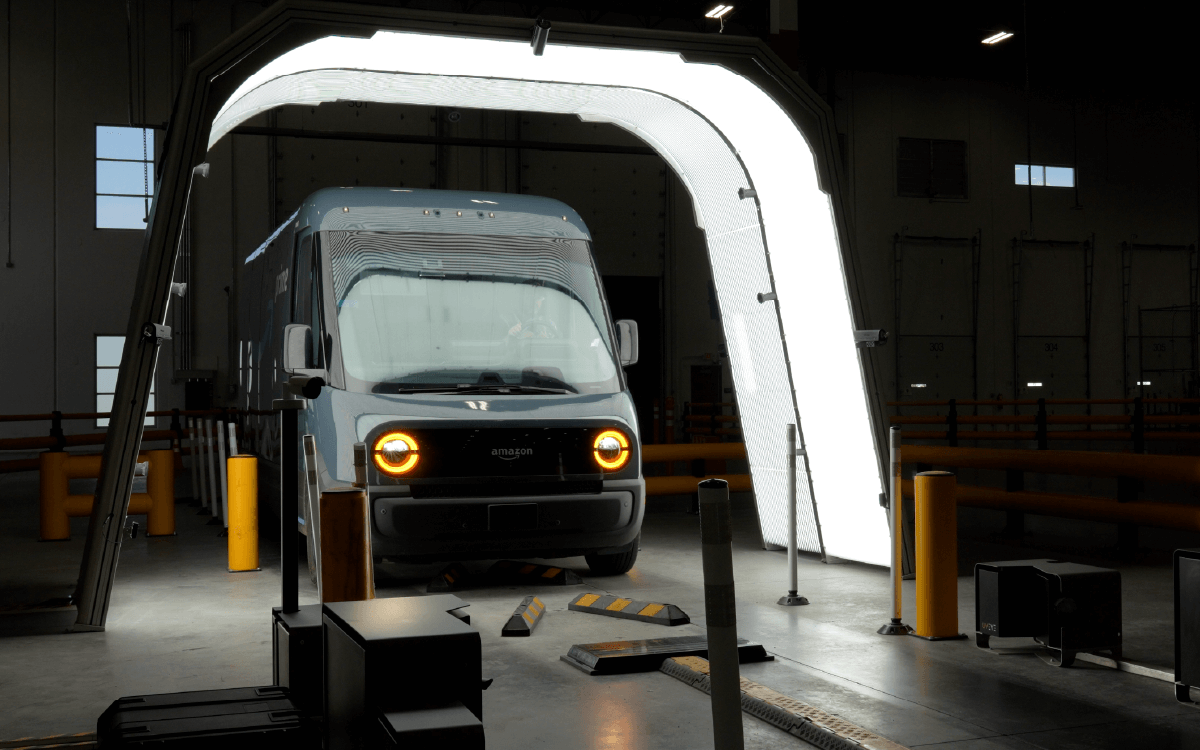
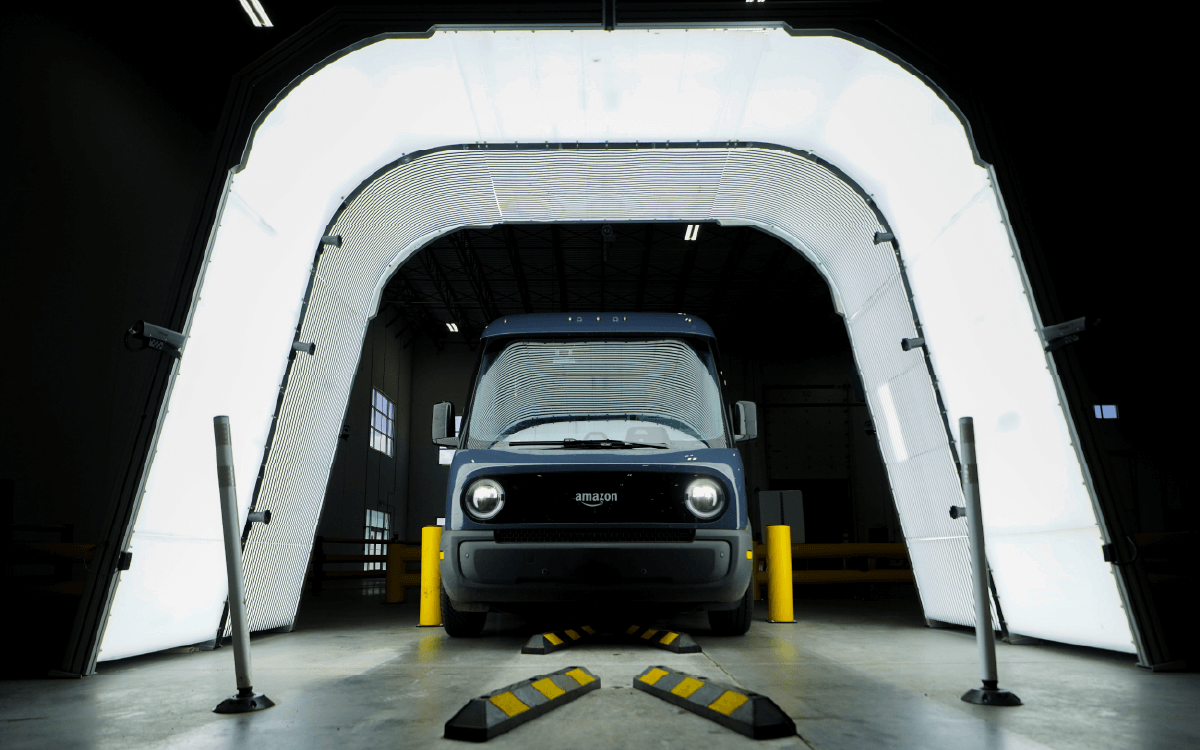
- Objective vs. Subjective: Drivers easily miss undercarriage damage or subtle tire wear during a manual walkaround. Drive-thru scanners capture high-resolution imagery and advanced light-reflection data to detect defects automatically, providing clear evidence of vehicle condition.
- Catching Critical Hazards Early: Automated systems identify underbody damage, fluid leaks, and tire anomalies before they cause a breakdown. In addition, systems detect safety risks or regulatory citations before they occur.
- Streamlining Workflows: Rather than taking 15 to 20 minutes for a manual check, full-vehicle scanning of the underbody, tires, and exterior takes place in seconds at normal yard speeds. As a result, this process slashes manual touch-time by up to 90%.
What Are the Top Automated Wheel and Tire Inspection Solutions?
Tire failures lead to unplanned downtime and high-cost roadside service calls. Comprehensive compliance requires high-precision, automated wheel and tire inspection systems like UVeye Helius. These systems analyze tire health in real time without taking assets out of service.
As a delivery van or heavy commercial truck passes through the portal, the system measures tread depth, identifies uneven wear patterns, and detects sidewall damage or embedded objects in seconds. Moreover, fleet managers receive actionable fleet insights and real-time, photo-backed reports. This allows them to schedule proactive tire maintenance before a breakdown occurs on the road.
How Drive-Thru Scanners Lower Fleet Maintenance and Operational Costs
Automating routine safety checks creates a proactive maintenance model that directly impacts a fleet’s bottom line.
- Increasing Fleet Uptime: Identifying wear, damage, and leaks before they escalate prevents unplanned downtime. Therefore, fleets avoid emergency towing fees, missed delivery windows, and costly delays.
- Lowering Maintenance Overhead: Proactive repairs cost a fraction of emergency fixes. By surfacing issues before they become high-cost repairs, operators extend the lifespan of their fleet assets.
- Reduced Disputes and Risk Management: Every scan generates a time-stamped digital condition report stored in a cloud platform. This single source of truth provides documented evidence of vehicle condition, reducing disputes between drivers, customers, carriers, and service providers.
By replacing manual DVIR blind spots with high-precision AI scanning, commercial fleets can automate safety compliance, streamline paperwork, and ensure every vehicle hits the road safely.