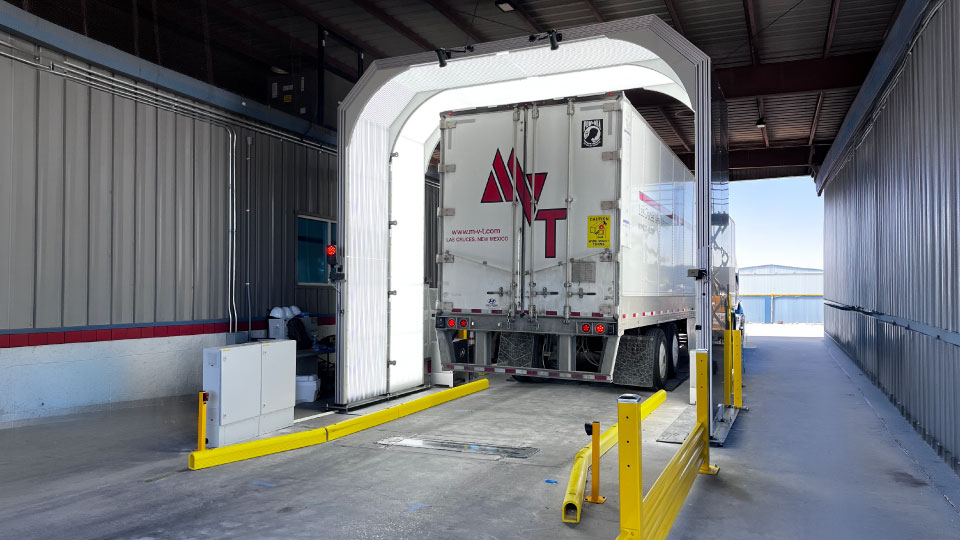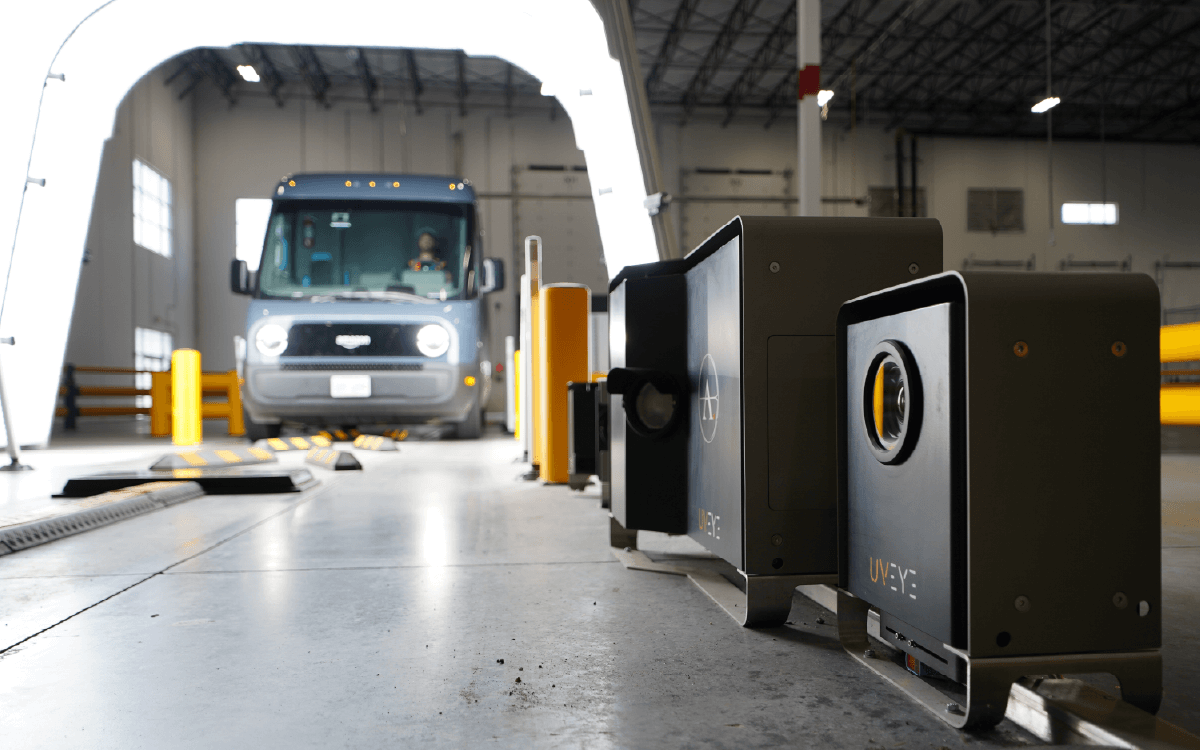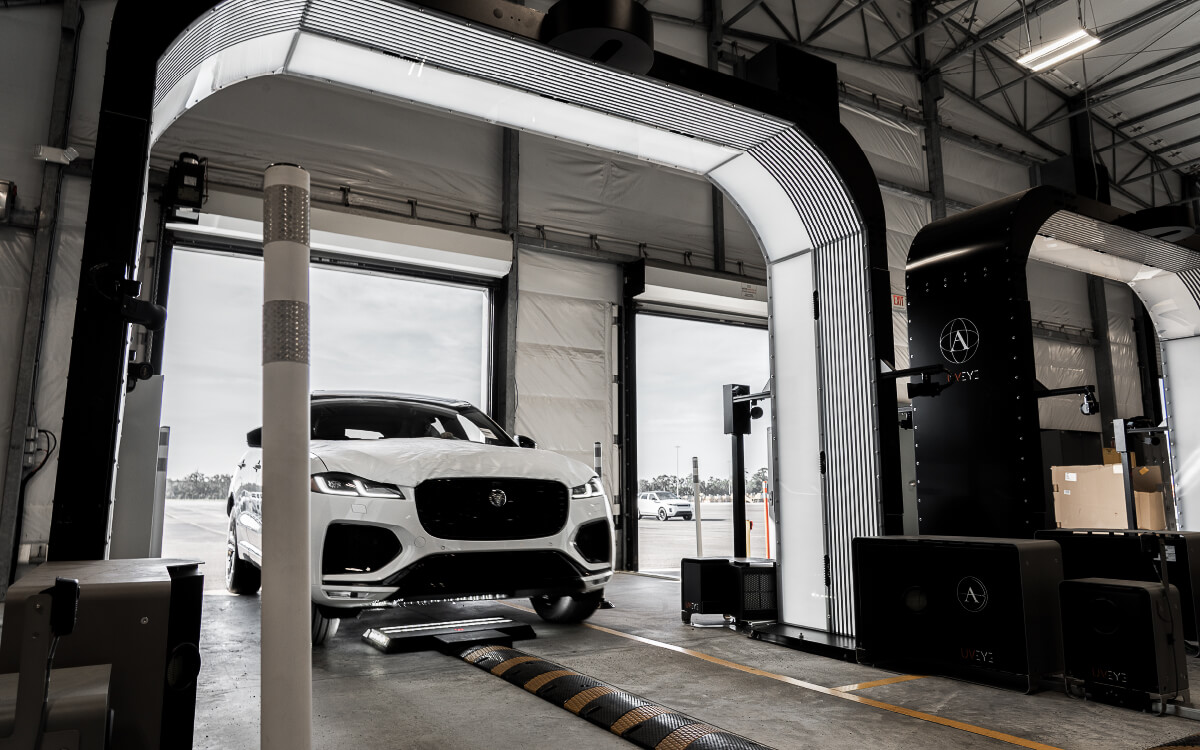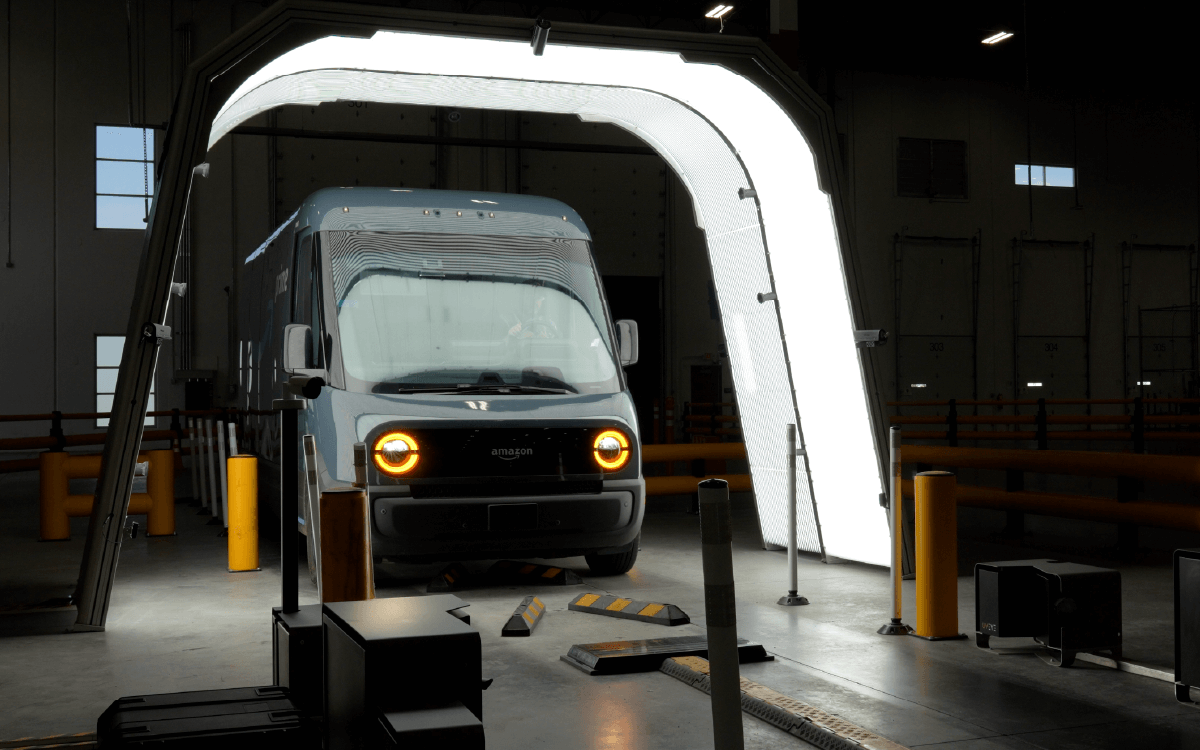
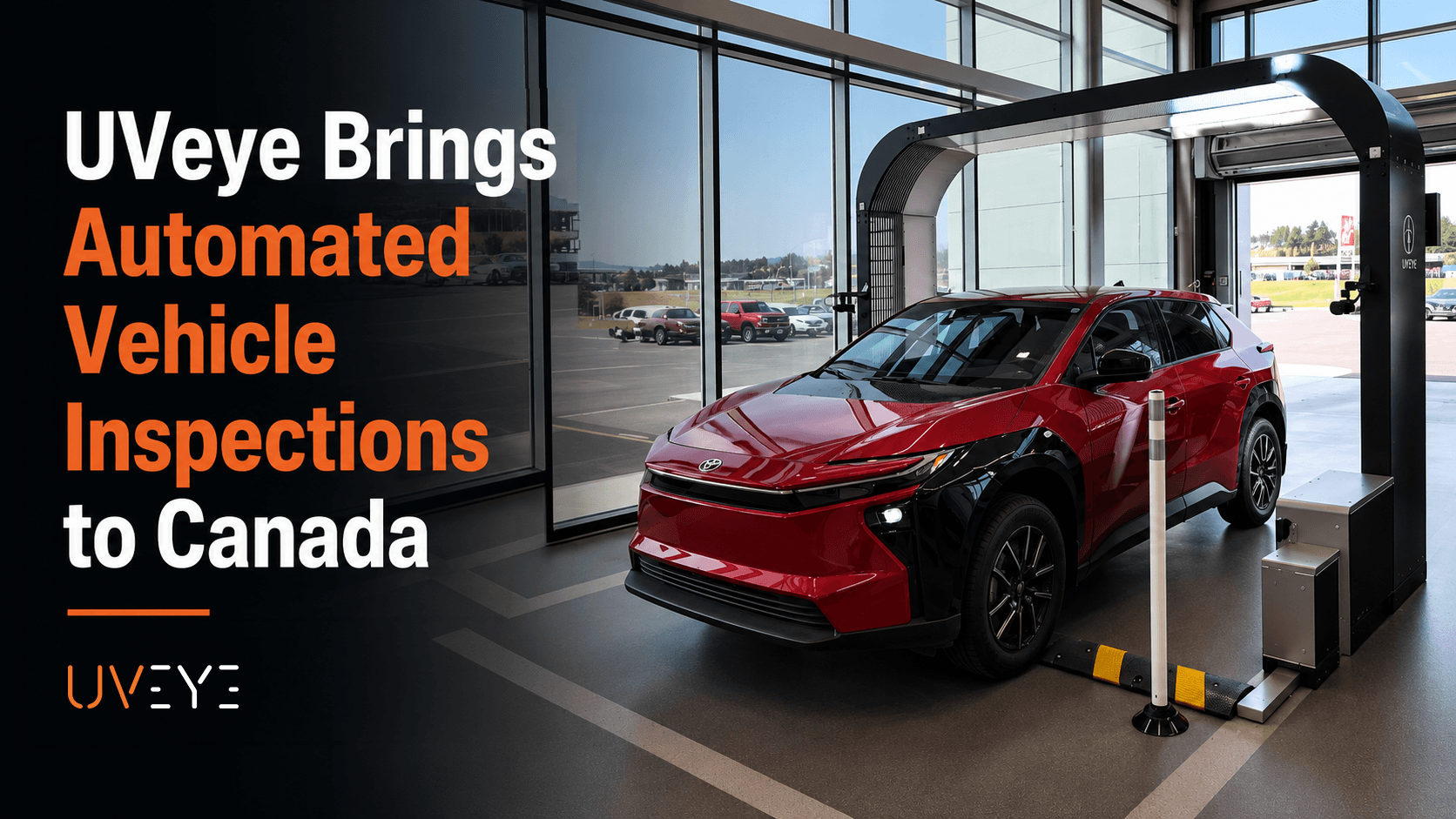
Automated vehicle inspection gives Canadian dealerships a faster, more consistent way to identify vehicle concerns. Systems can detect tire wear, underbody damage, leaks, dents, and scratches as vehicles enter the service lane.
Objective data and clear images help advisors explain findings to customers. They also help dealerships surface legitimate service needs and reduce the variability of manual walkarounds.
That inspection model is now expanding across Canada.
A New Vehicle Inspection Standard Enters Canada
UVeye’s first Canadian inspection systems are operating at dealerships in British Columbia and Ontario. Additional installations are planned throughout 2026.
Early adopters include Comox Valley Toyota and Cranbrook Toyota, both part of Trotman Auto Group.
Vehicles are scanned as they move through the dealership. Within seconds, service advisors receive a visual condition report for review during check-in.
The platform can also complete a one-minute appraisal. High-resolution vehicle images can then support retail or wholesale listings.
Together, these capabilities create a standardized digital record of vehicle condition. Teams can use that record across service, sales, used vehicles, and management.
Why Canadian Dealerships Need Better Inspection Visibility
Canadian roads and weather can be hard on vehicles. Tire wear, leaks, exterior damage, and underbody concerns may develop between service visits.
Some of the most important issues also remain outside the normal line of sight.
Manual walkarounds can identify obvious concerns. However, results often depend on available time, viewing conditions, and the person completing the inspection.
Less visible damage can be easy to overlook during a busy service check-in.
Automated vehicle inspections add a consistent screening step to each visit. Dealership teams receive objective images and standardized findings instead of relying only on memory or a brief visual review.
Technicians can then evaluate those findings using their experience and diagnostic expertise.
Visual Evidence Creates More Transparent Service Conversations
Service advisors often need to explain concerns that customers can’t see. This can be difficult when damage is beneath the vehicle or tire wear isn’t obvious.
A visual condition report provides a clearer starting point. Advisors can show customers what was detected, where it appears, and why it may need attention.
Automated inspection doesn’t replace technician diagnosis. It gives dealership teams better information for the conversation.
Customers can understand recommendations more easily when they can see the concern. Advisors don’t have to rely on verbal explanations alone.
Dealership leaders also gain a more consistent customer experience across locations, shifts, and service teams.
Consistent Inspections Can Protect Capacity and Revenue
Missed concerns create more than a maintenance issue. They can cause repeat inspections, additional visits, avoidable delays, and lost repair opportunities.
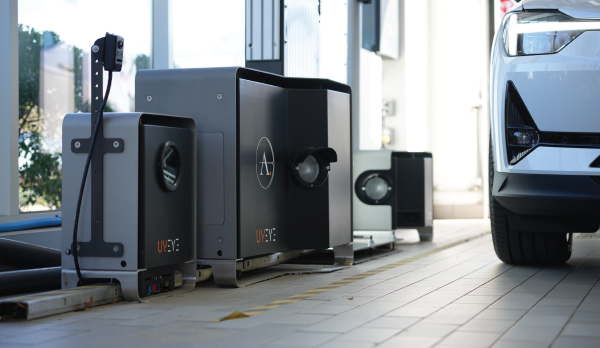
A standardized process gives every arriving vehicle the same inspection baseline. This is especially useful for high-volume dealerships managing lane traffic, technician capacity, and customer communication.
Comox Valley Toyota uses the technology to identify concerns that might otherwise be overlooked. The process can also reduce inefficiencies caused by repeat inspections and missed findings.
At Cranbrook Toyota, automated inspections help standardize check-in and give customers a clearer view of vehicle condition.
The goal isn’t to recommend unnecessary work. It is to identify relevant concerns consistently and help customers make informed decisions.
Vehicle Condition Data Can Support the Entire Dealership
Automated inspection can provide value beyond the service lane.
High-resolution images and condition data can support appraisals, used-vehicle intake, merchandising, and wholesale decisions. A one-minute appraisal also helps teams document vehicles earlier in the process.
Shared condition data reduces the need for departments to repeat the same inspection. Service, sales, used vehicles, and management can work from one consistent vehicle record.
This visibility supports faster decisions and more standardized dealership operations.
Canada Joins a Broader Shift Toward Automation
The Canadian rollout builds on UVeye’s growth across North America. More than 1,000 systems are deployed or contracted across dealerships, fleets, auctions, rental operations, and OEM logistics facilities.
Those systems analyze millions of vehicles each month.
Vehicle inspections are moving away from isolated, manual checks. Automated processes provide consistent data that can support decisions throughout the vehicle lifecycle.
For Canadian dealerships, the focus is shifting from whether inspections will become automated to how that data will improve daily operations.
Next Steps
Automated inspection can help Canadian dealerships improve visibility, consistency, and customer communication without adding another manual step.
To explore how automated vehicle inspection can support your dealership, visit uveye.com/contact to schedule a demo.